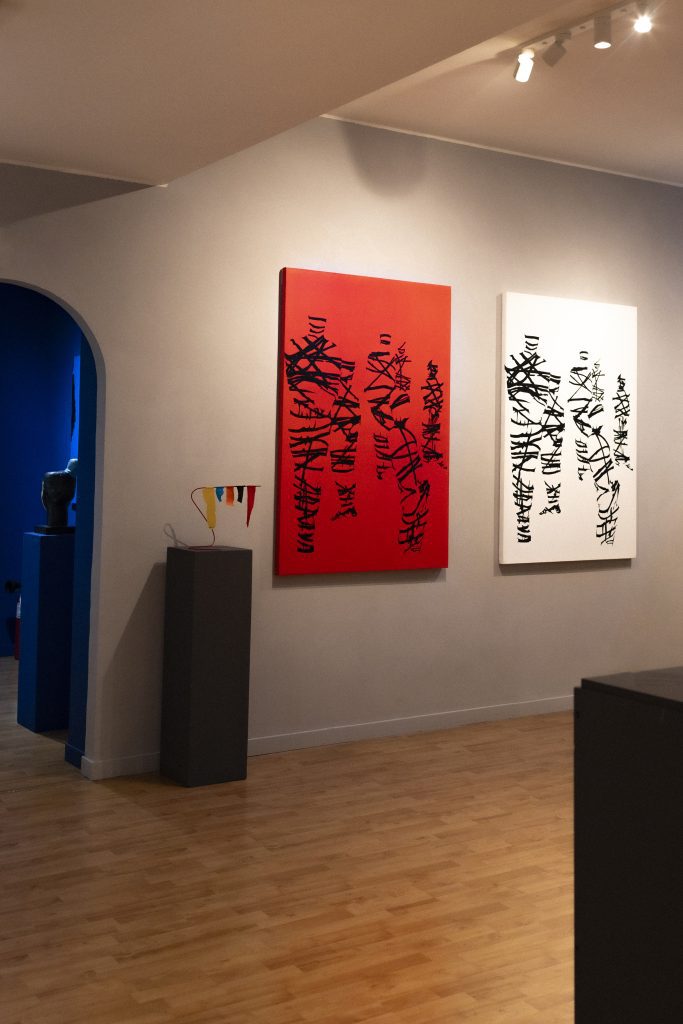
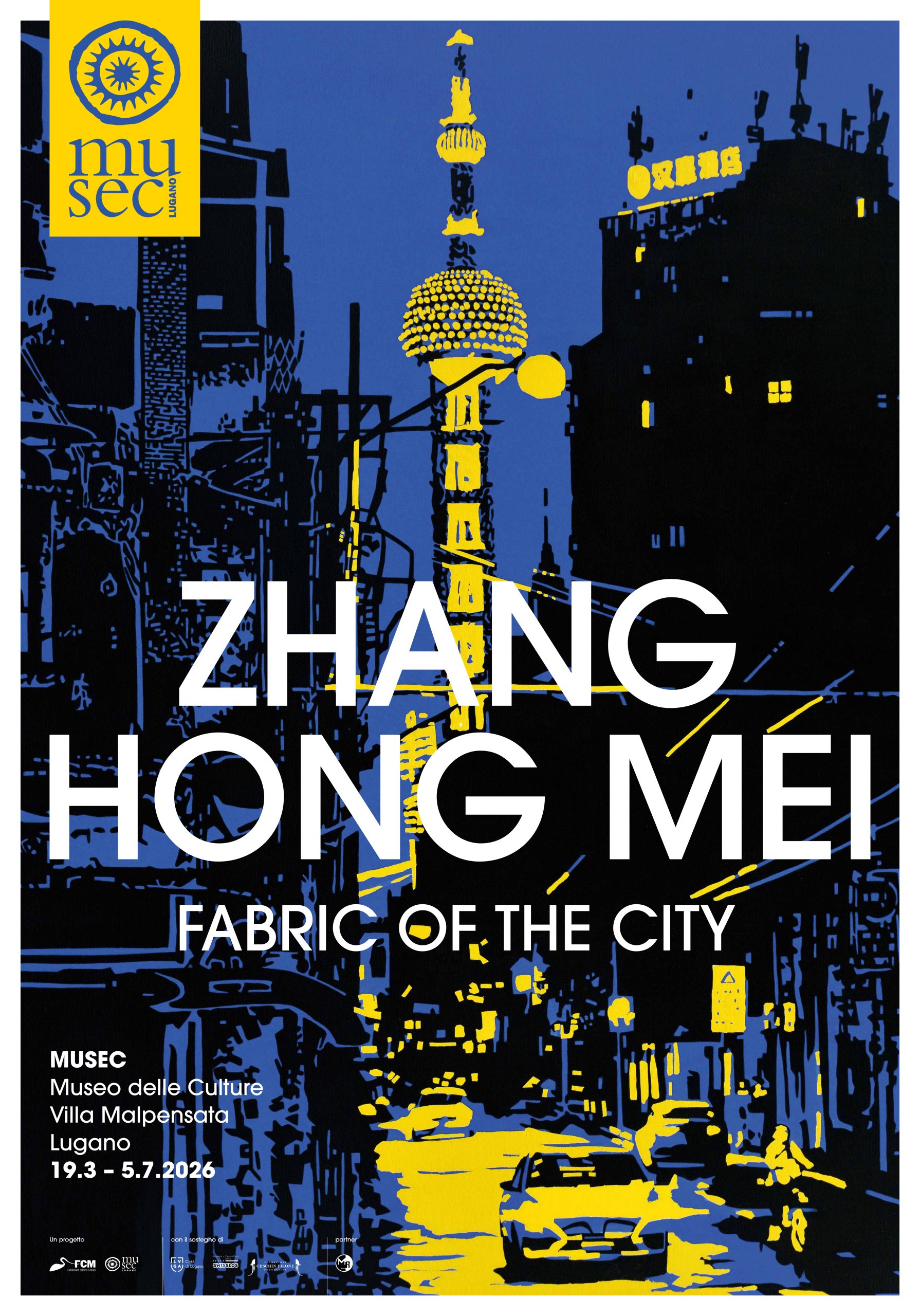
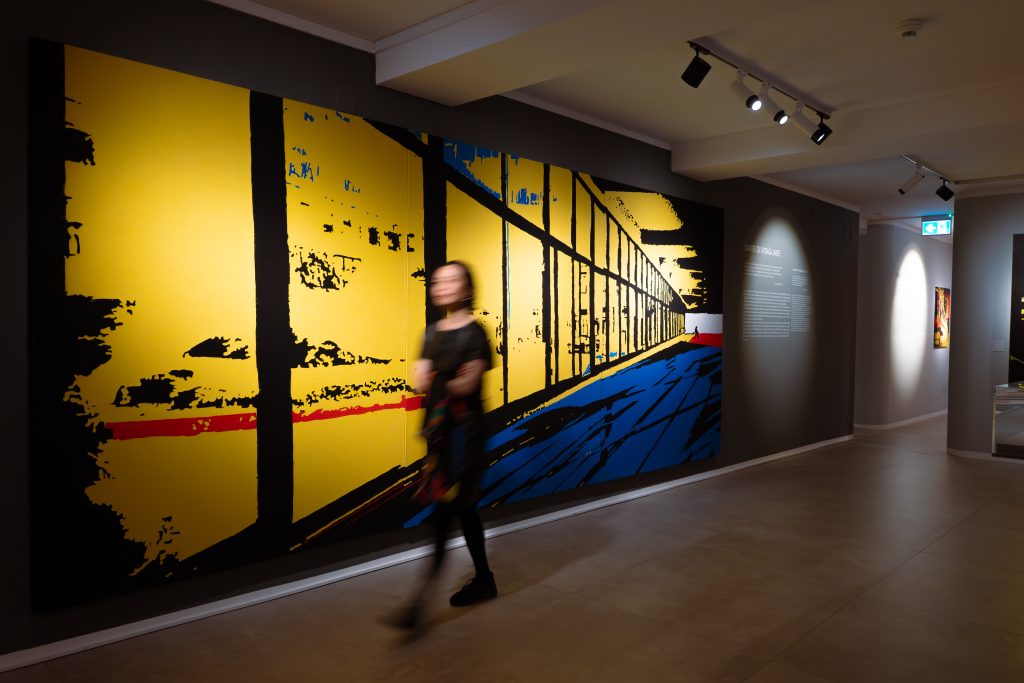
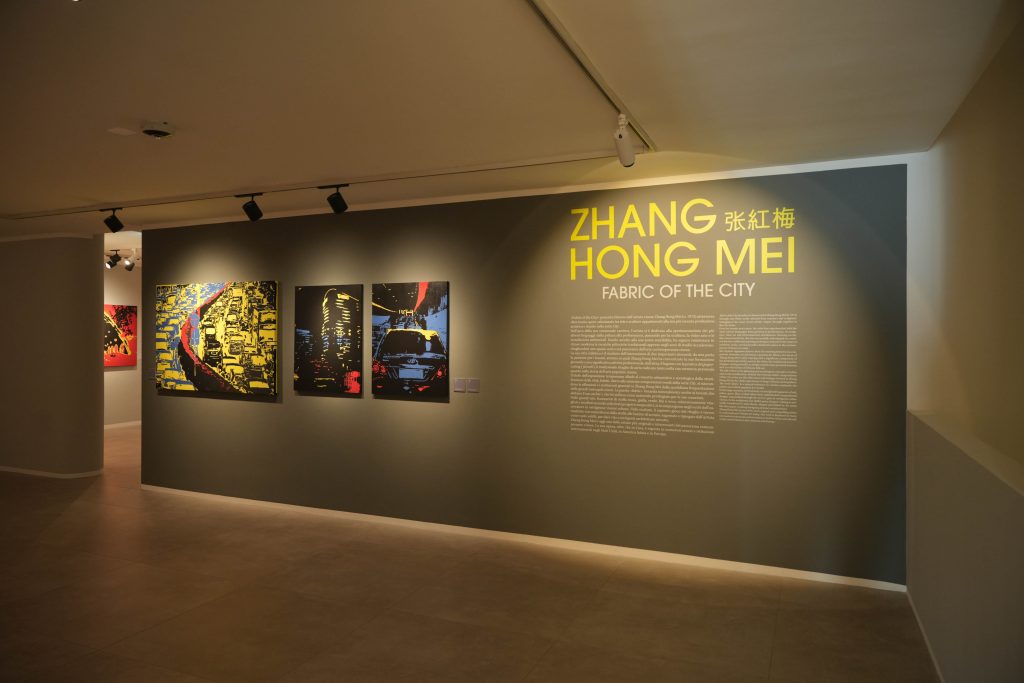
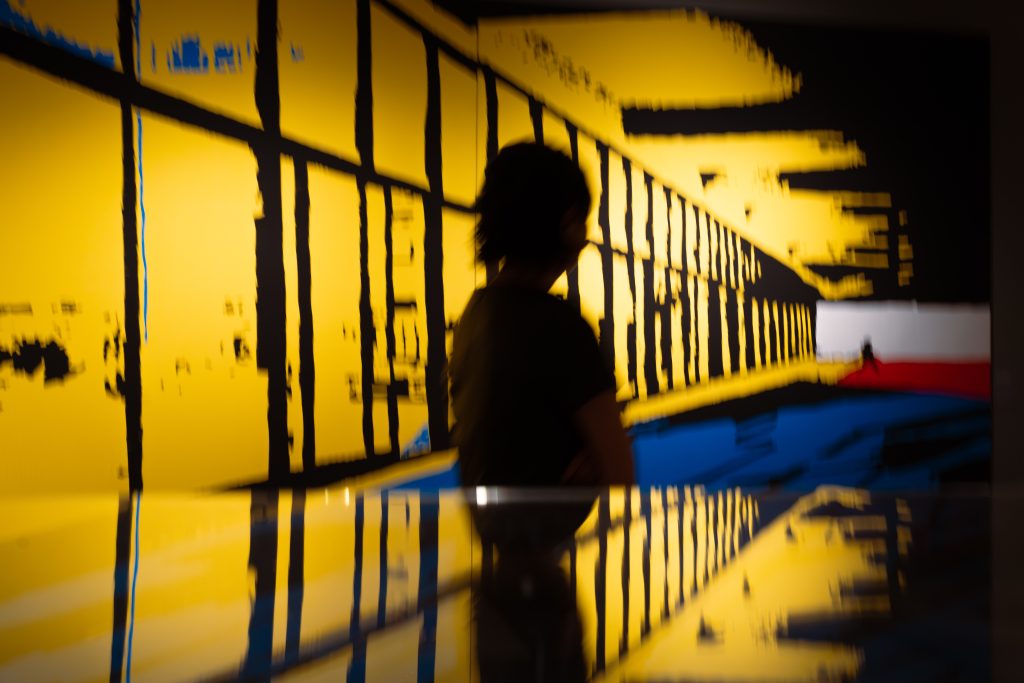
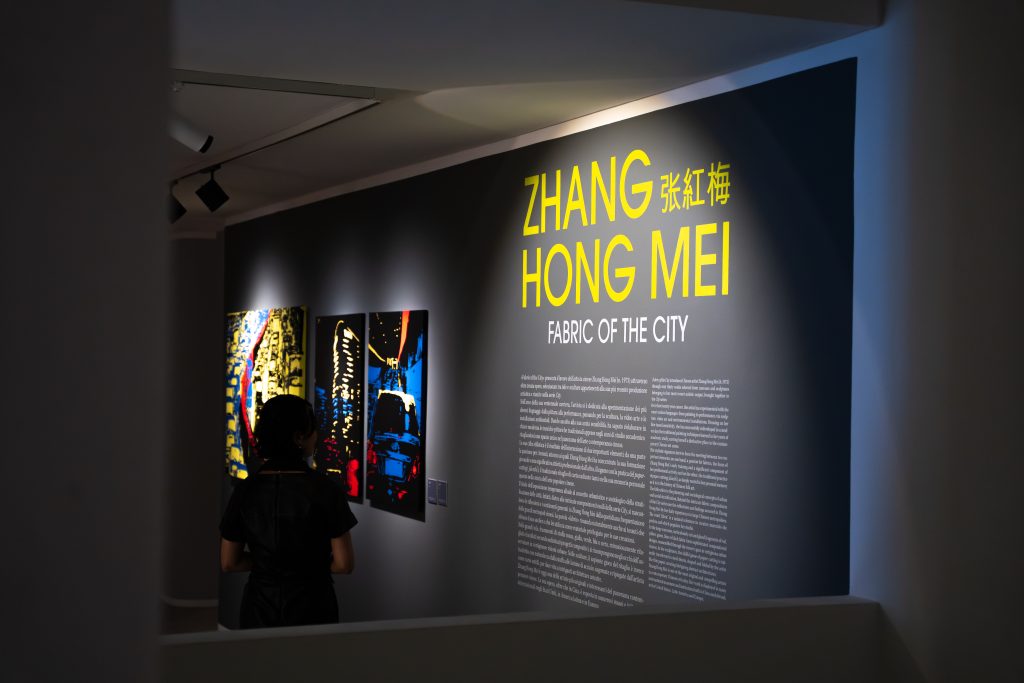
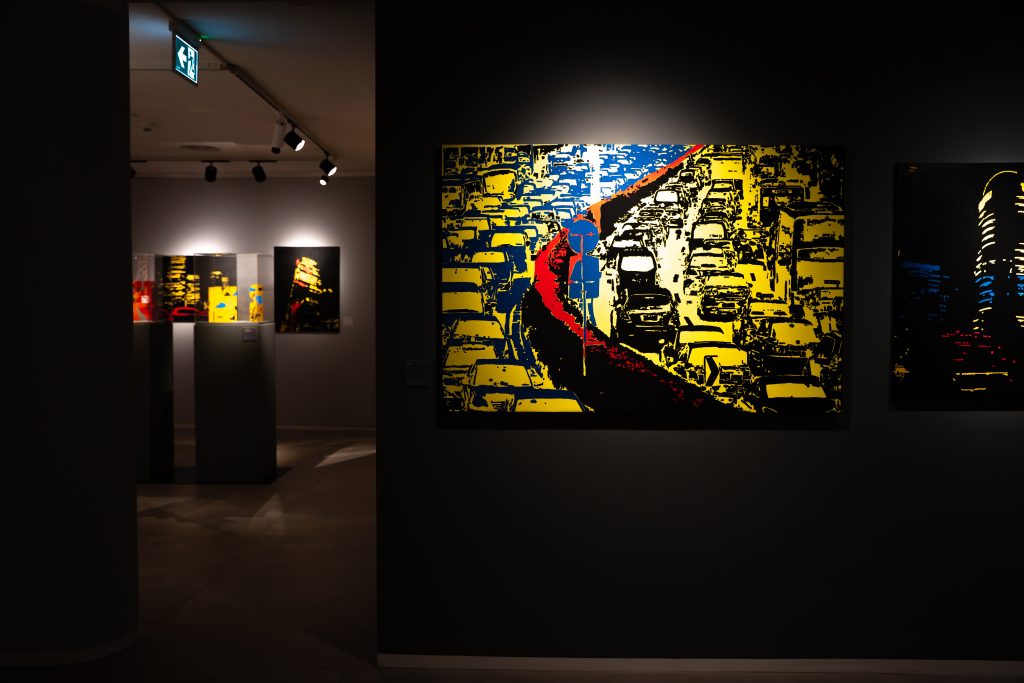
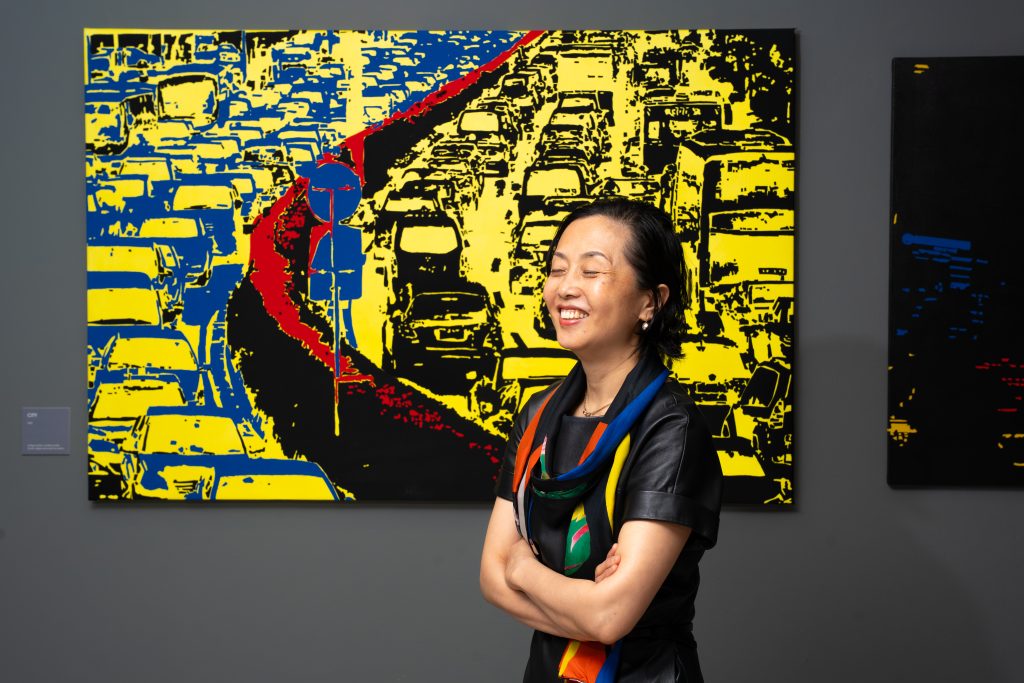
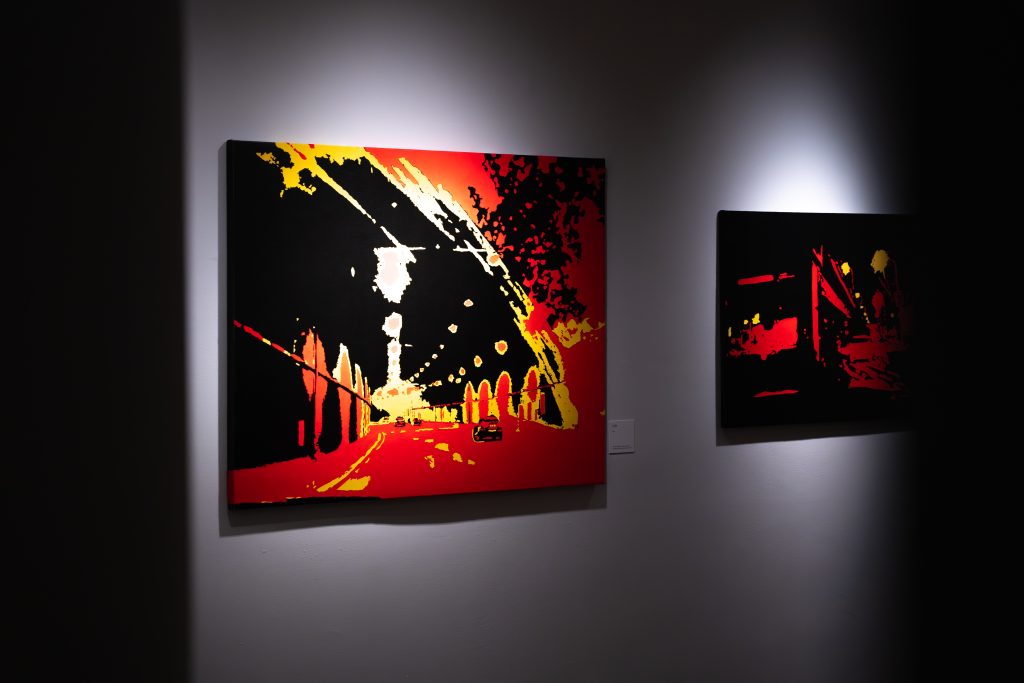
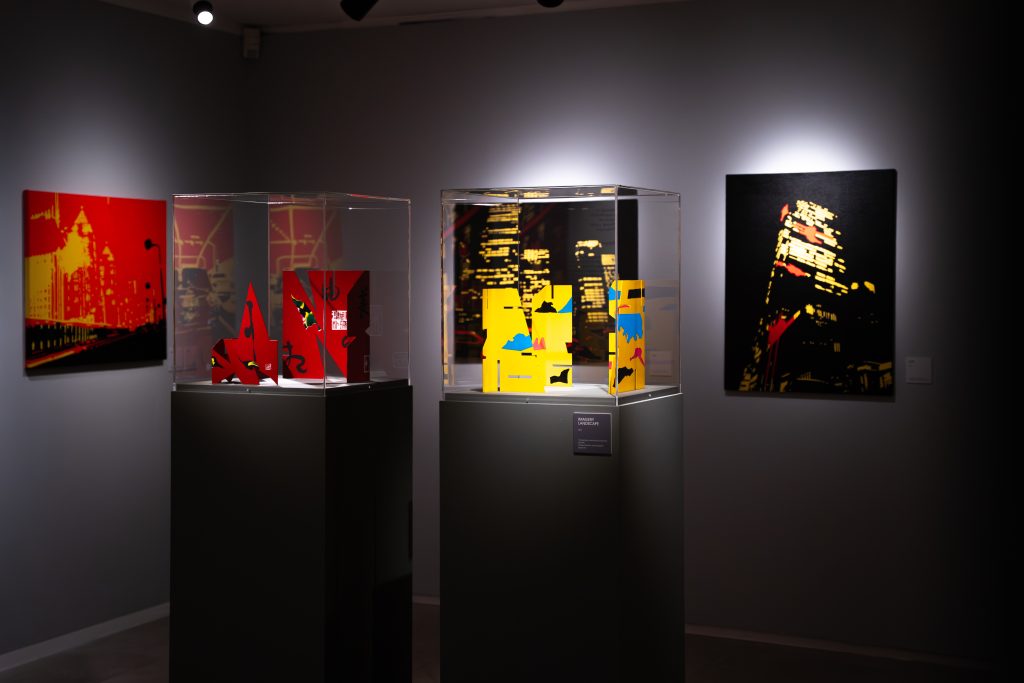
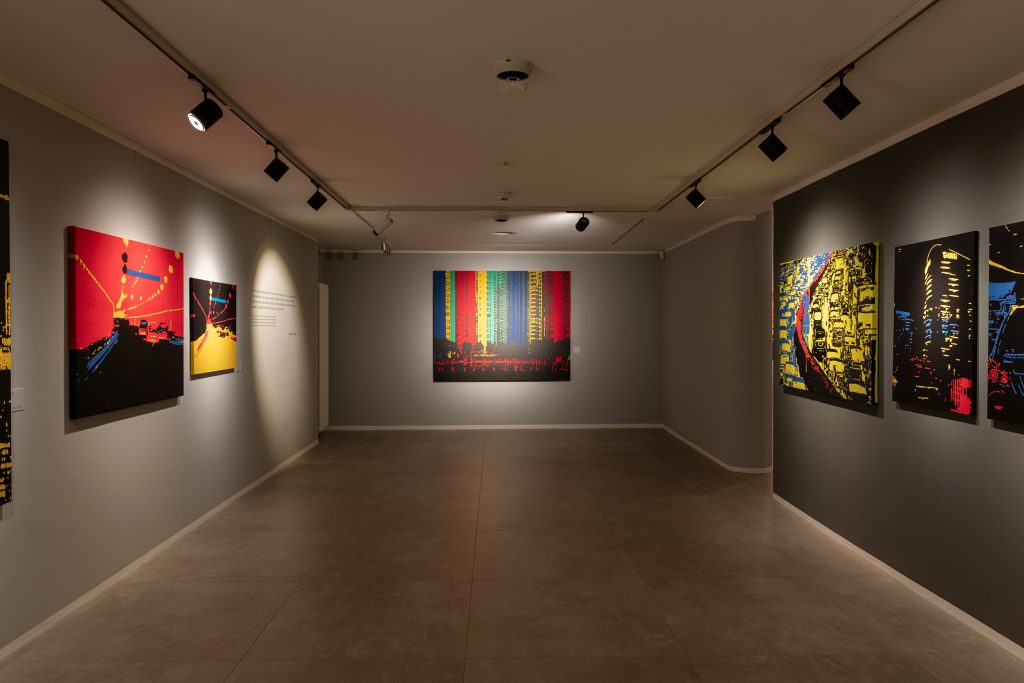
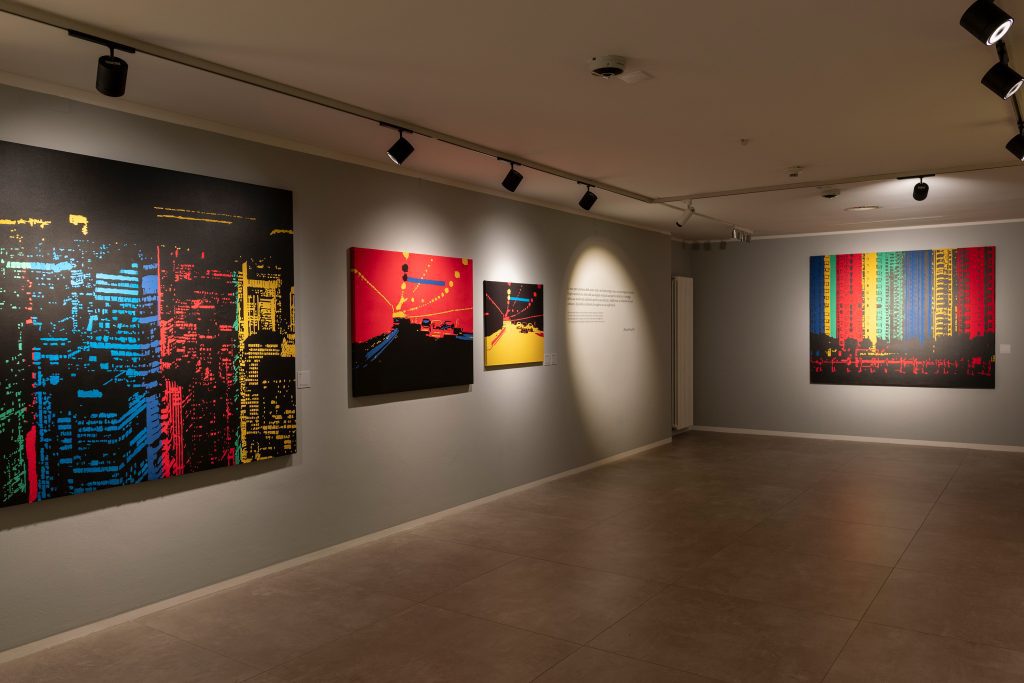
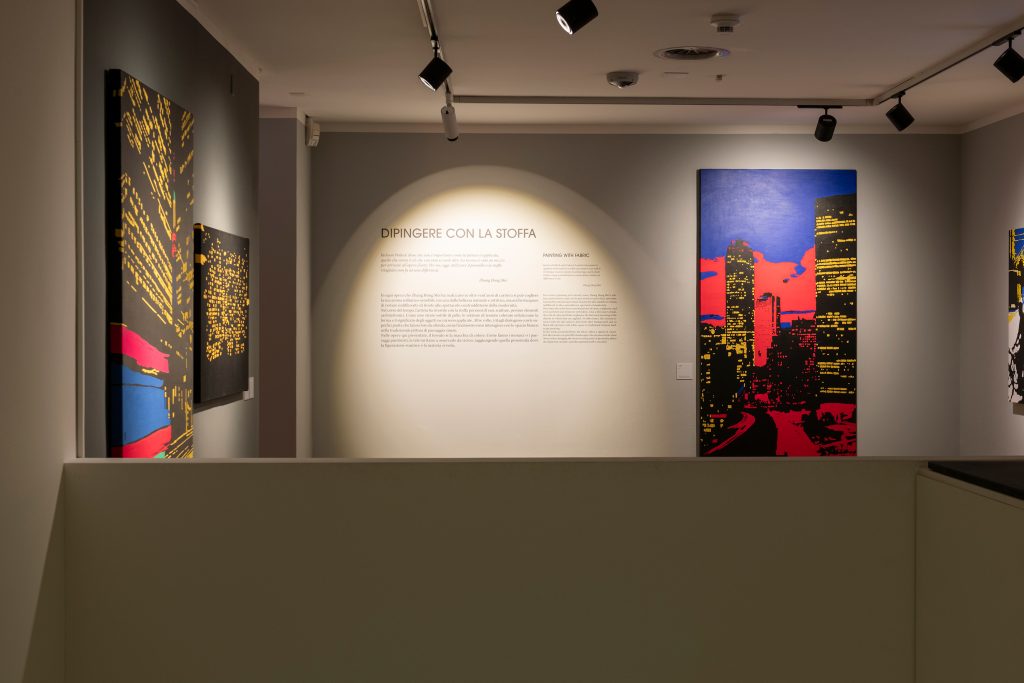
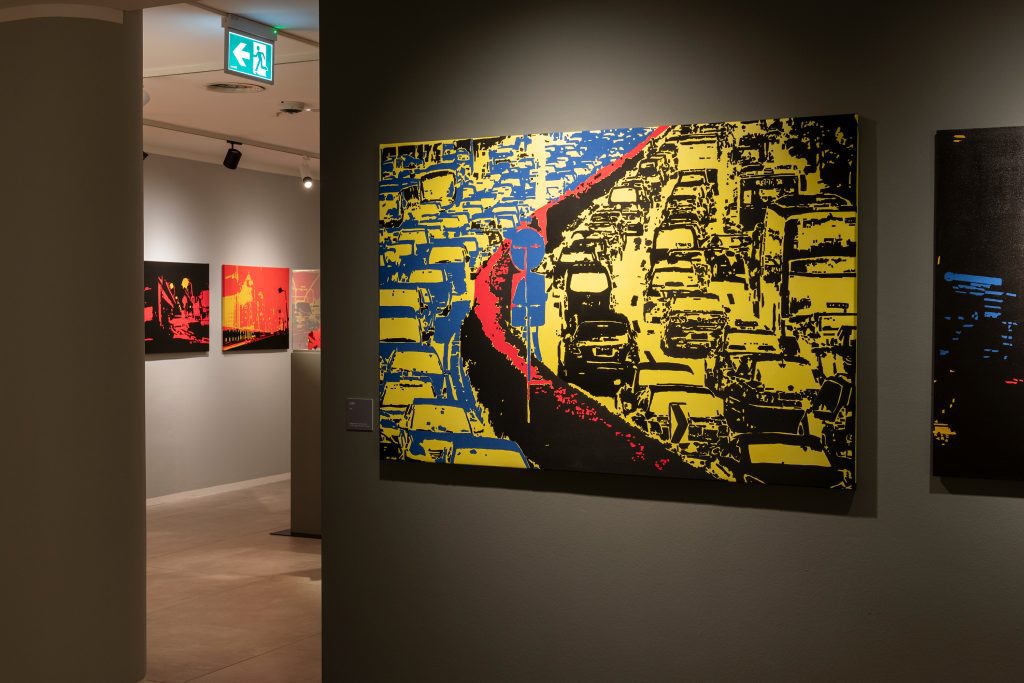
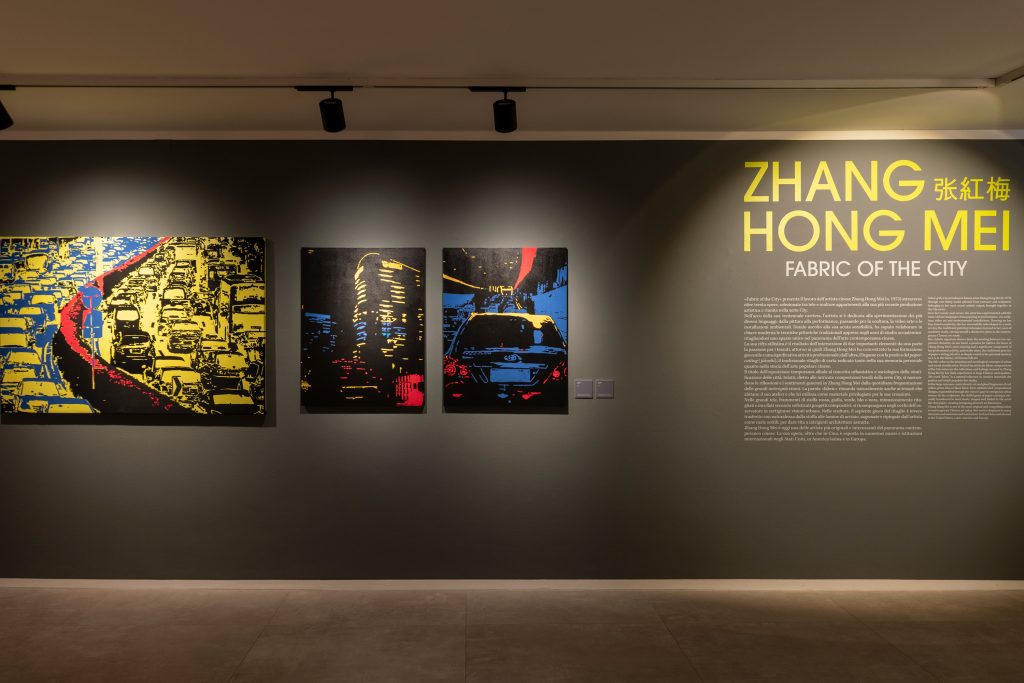
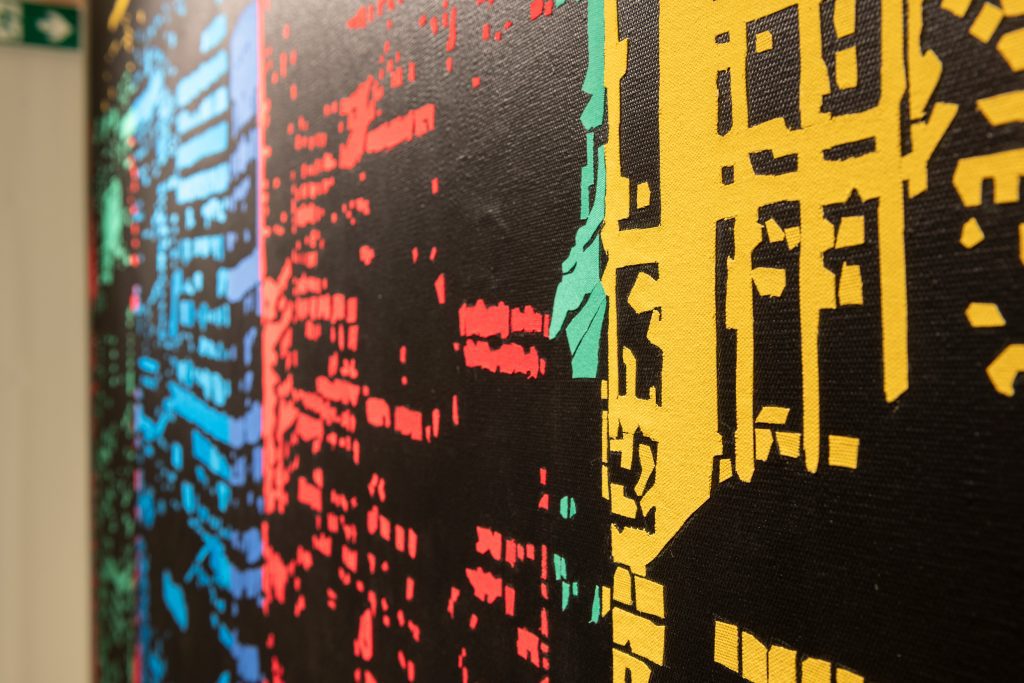
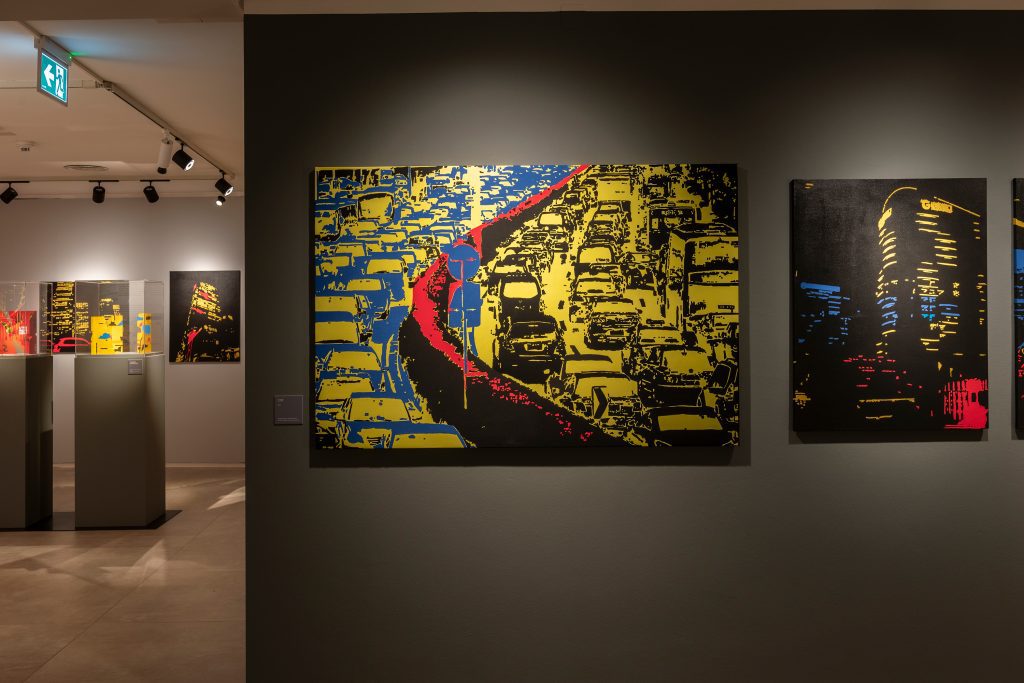
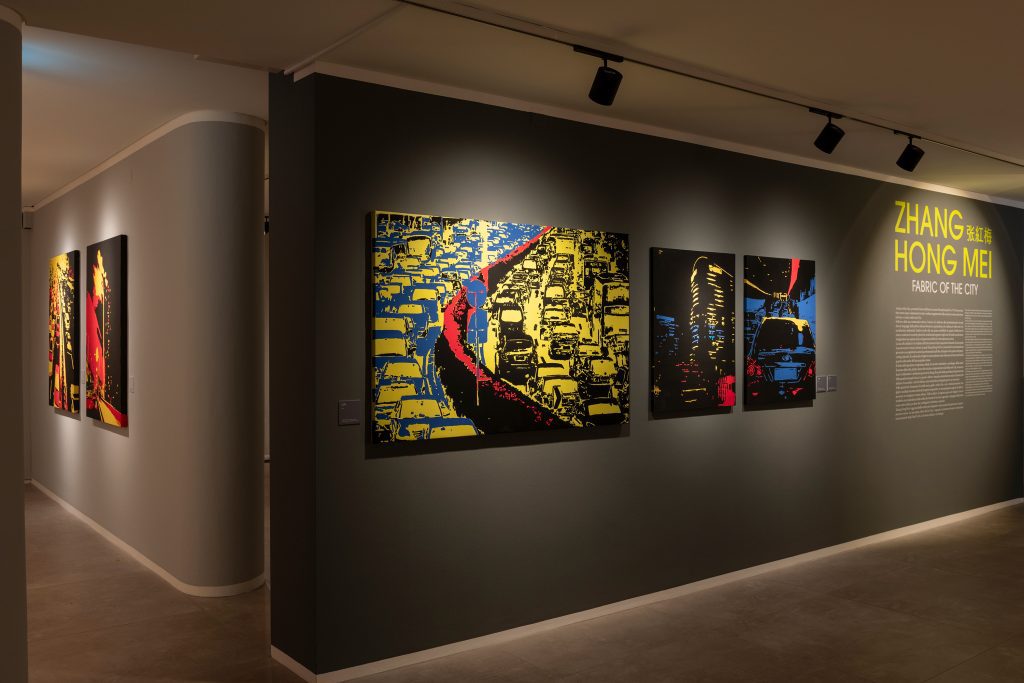
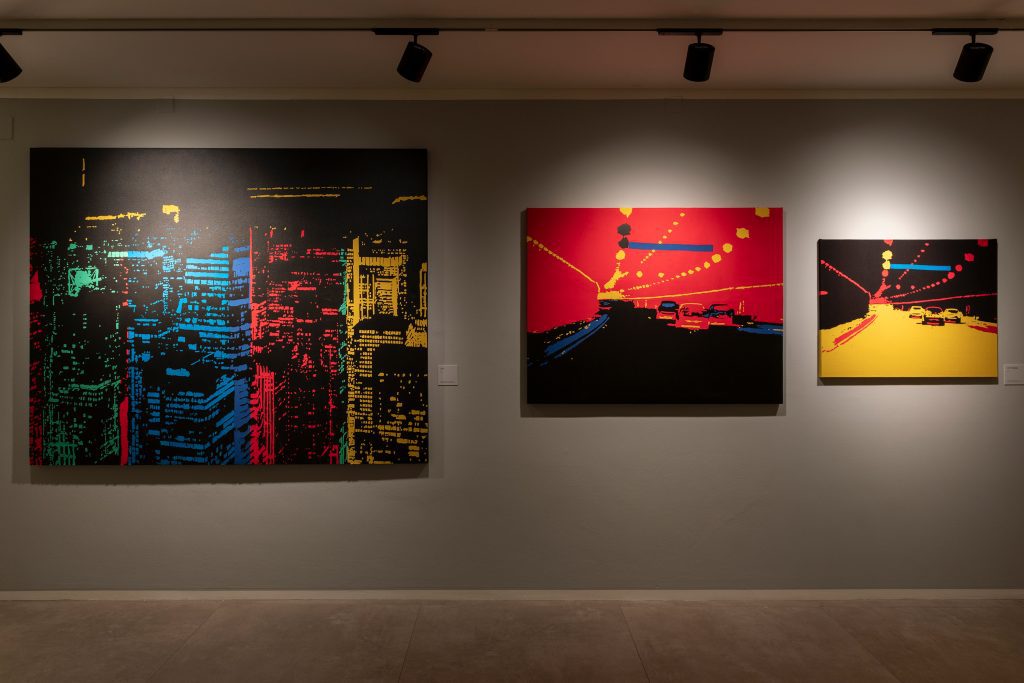
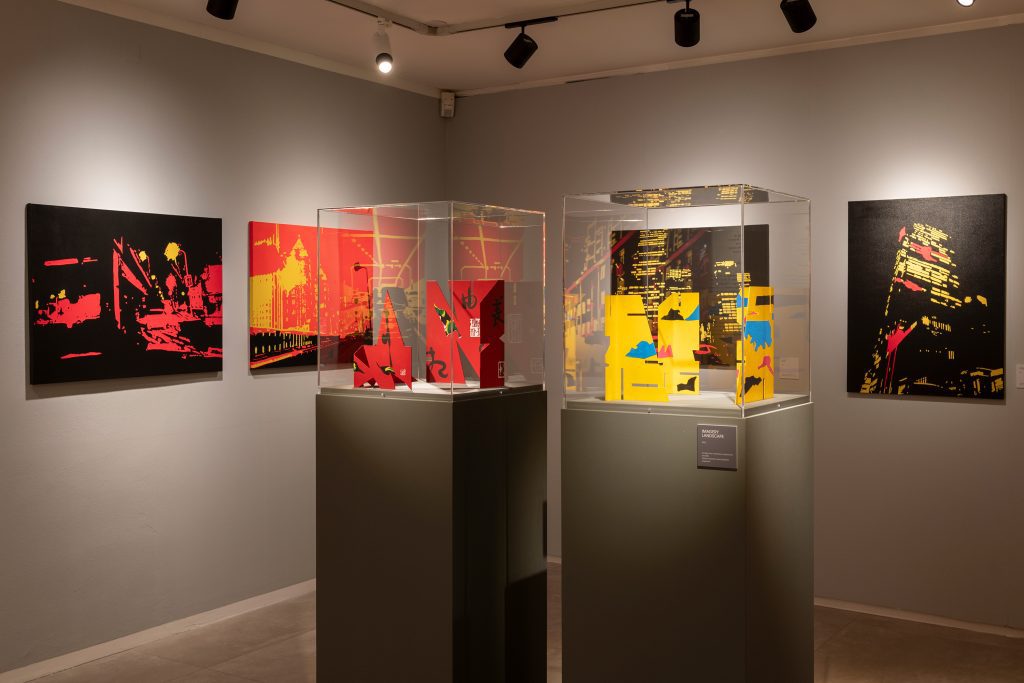
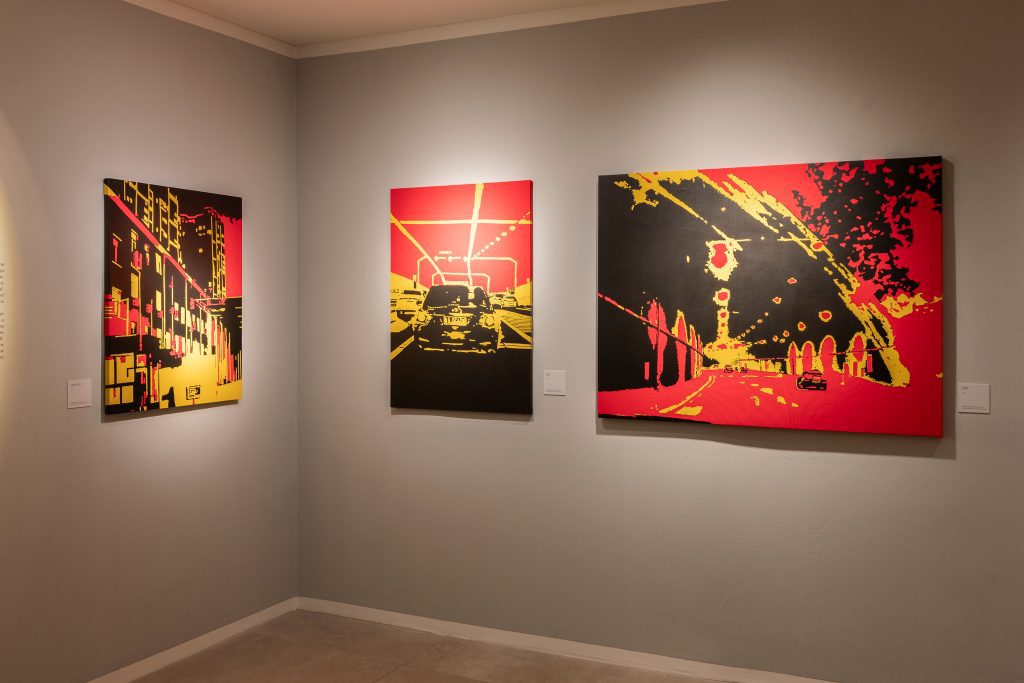
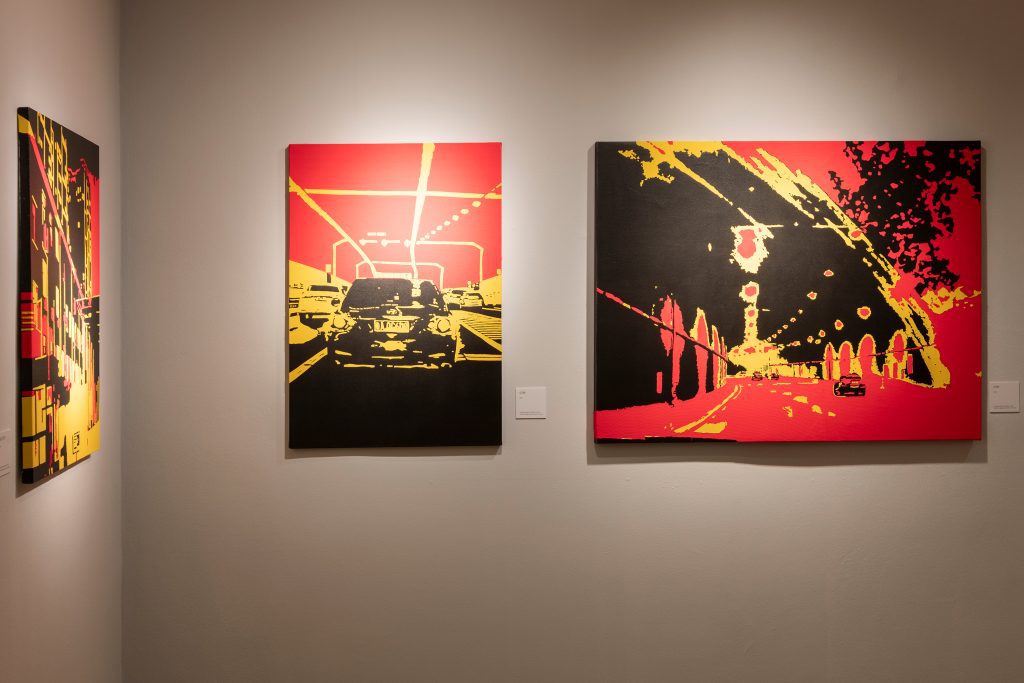
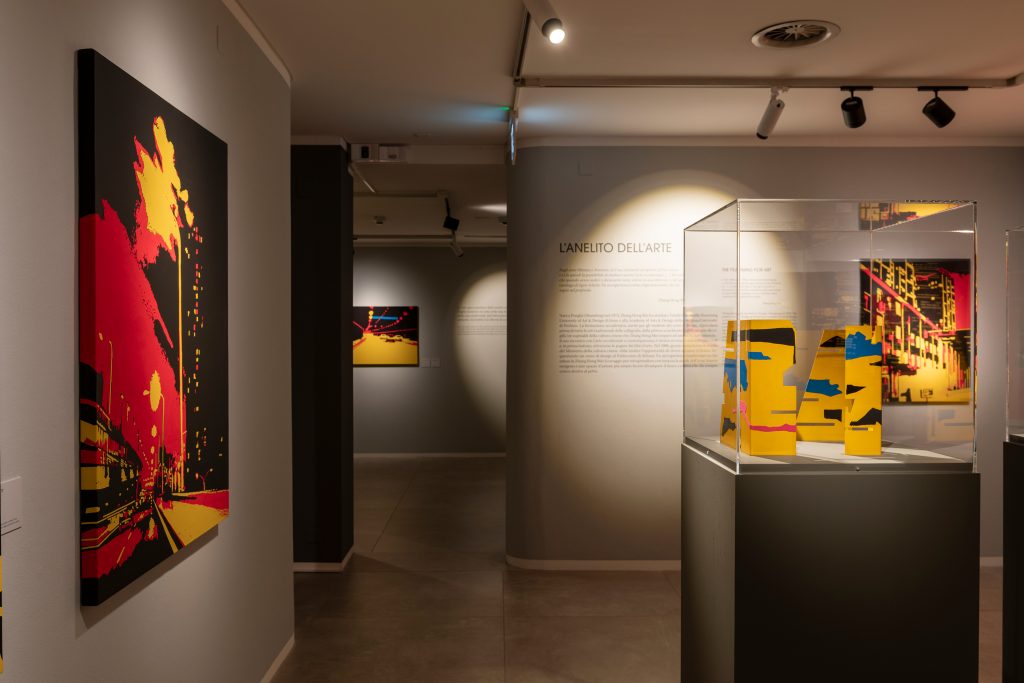
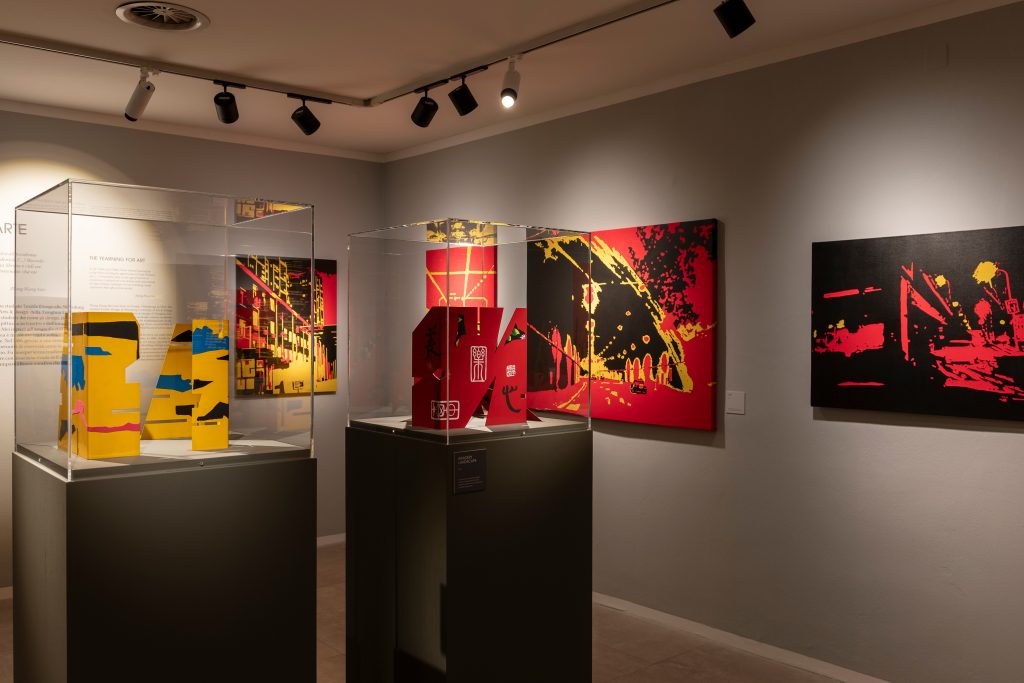
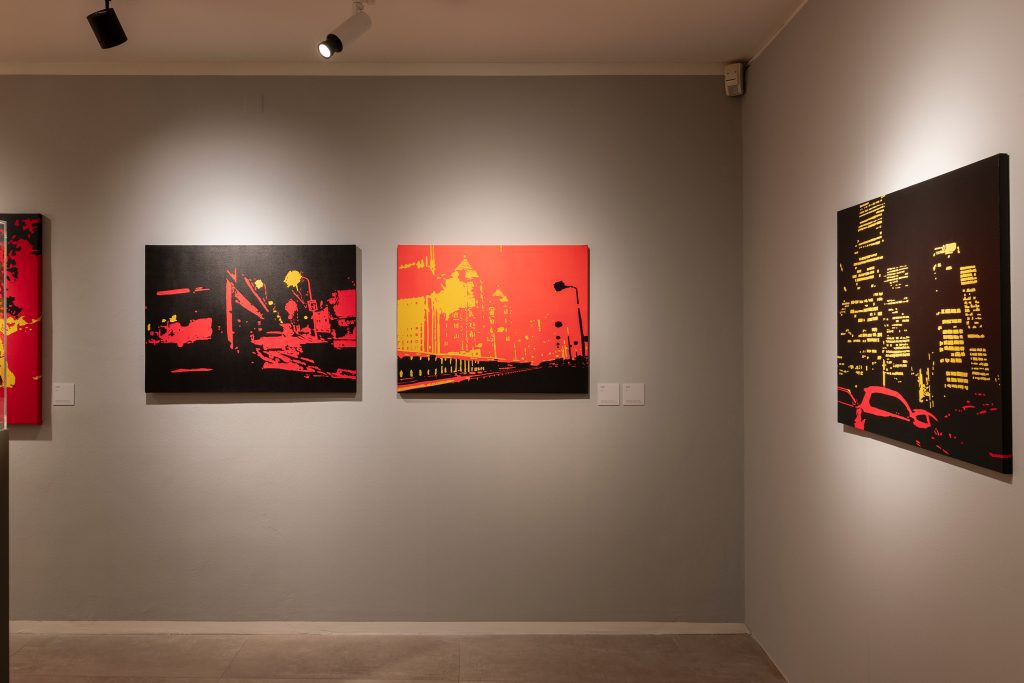
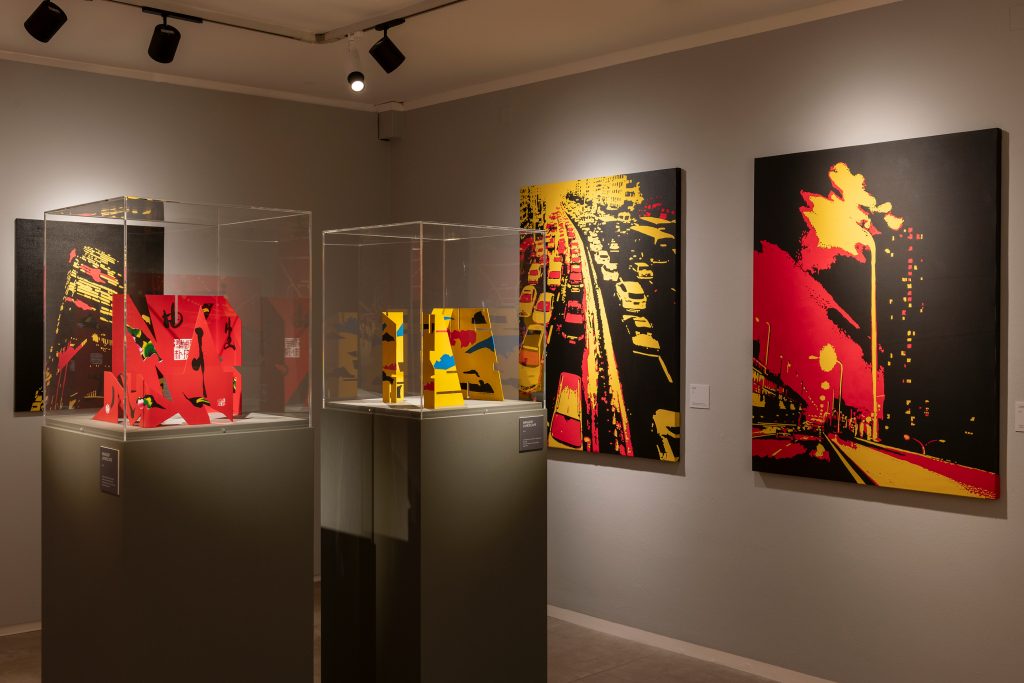
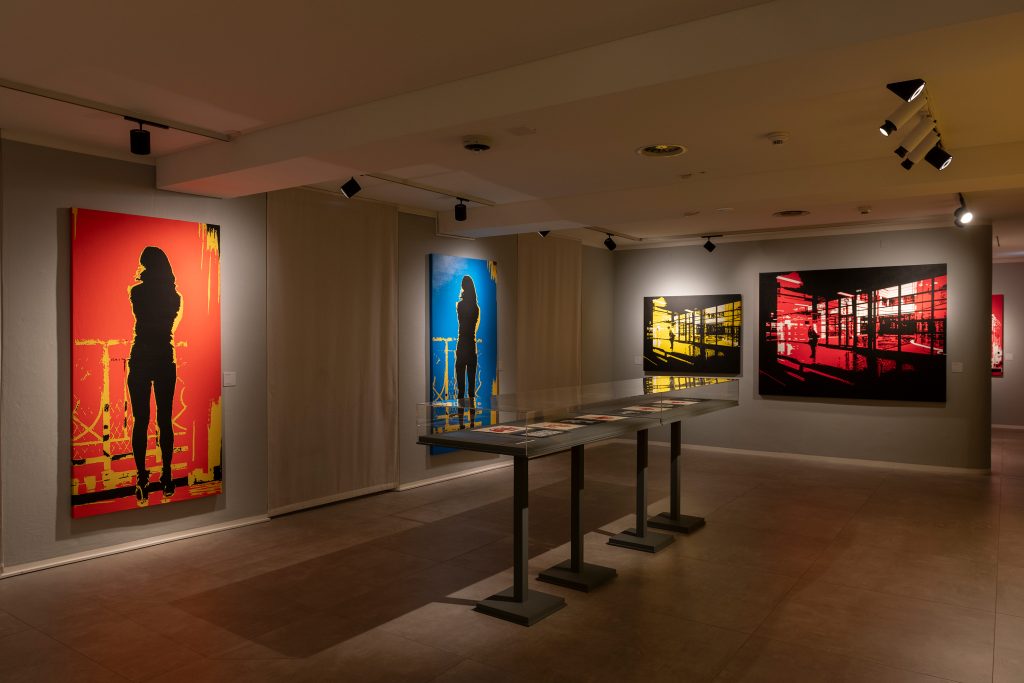
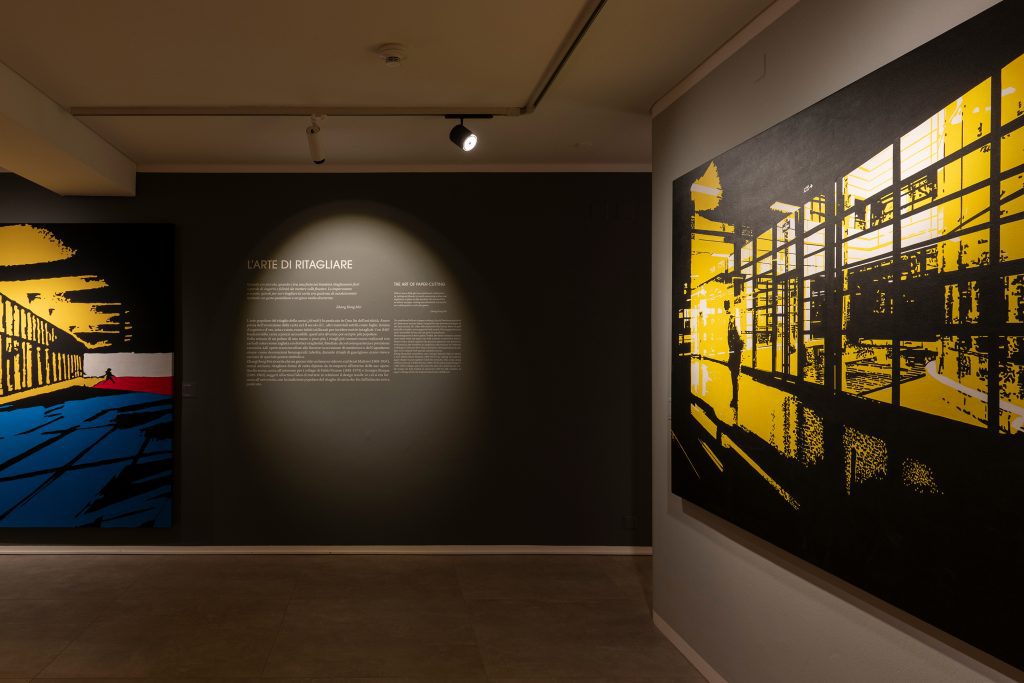
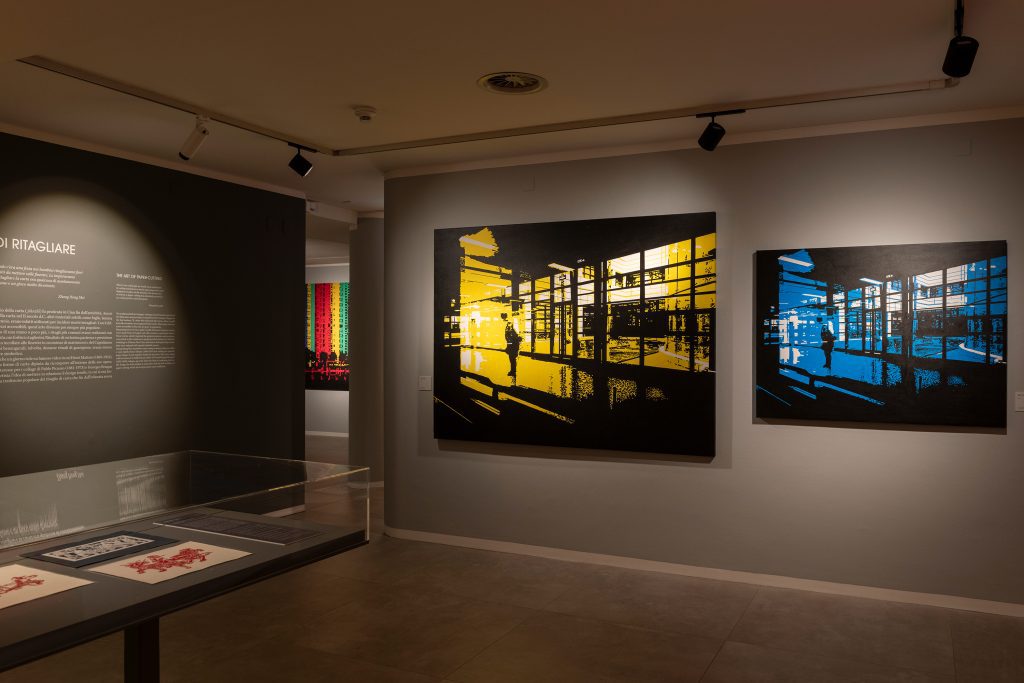
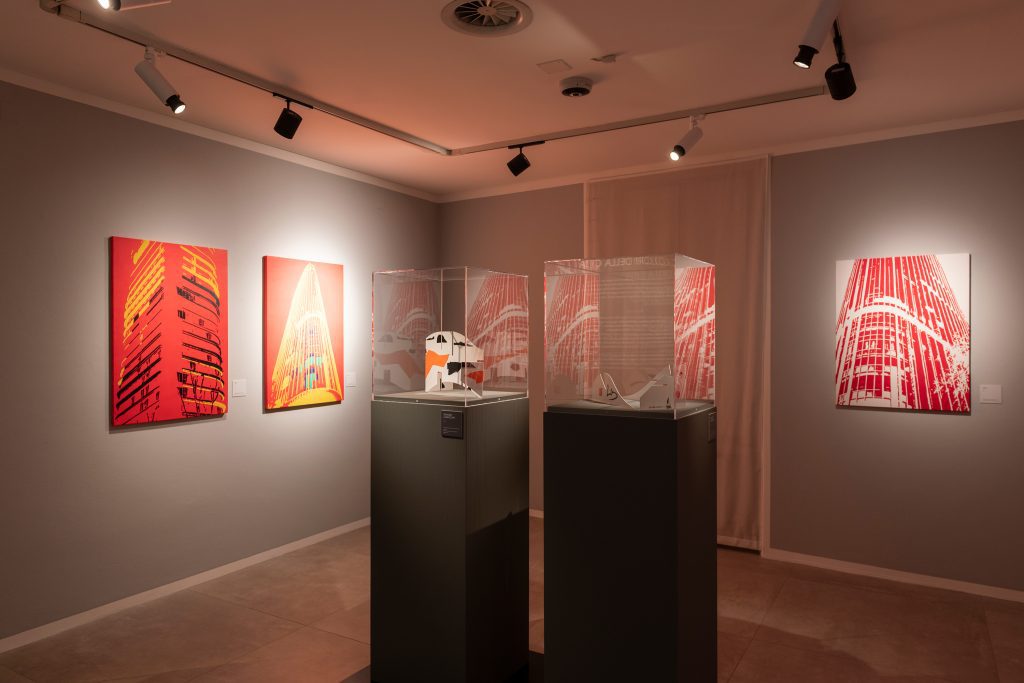
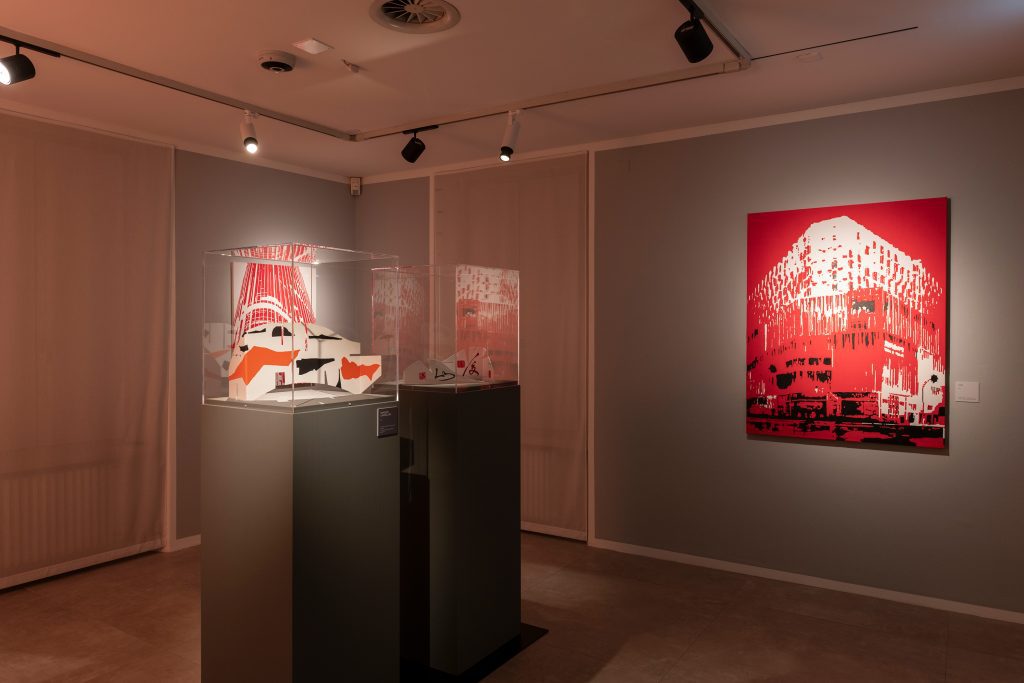
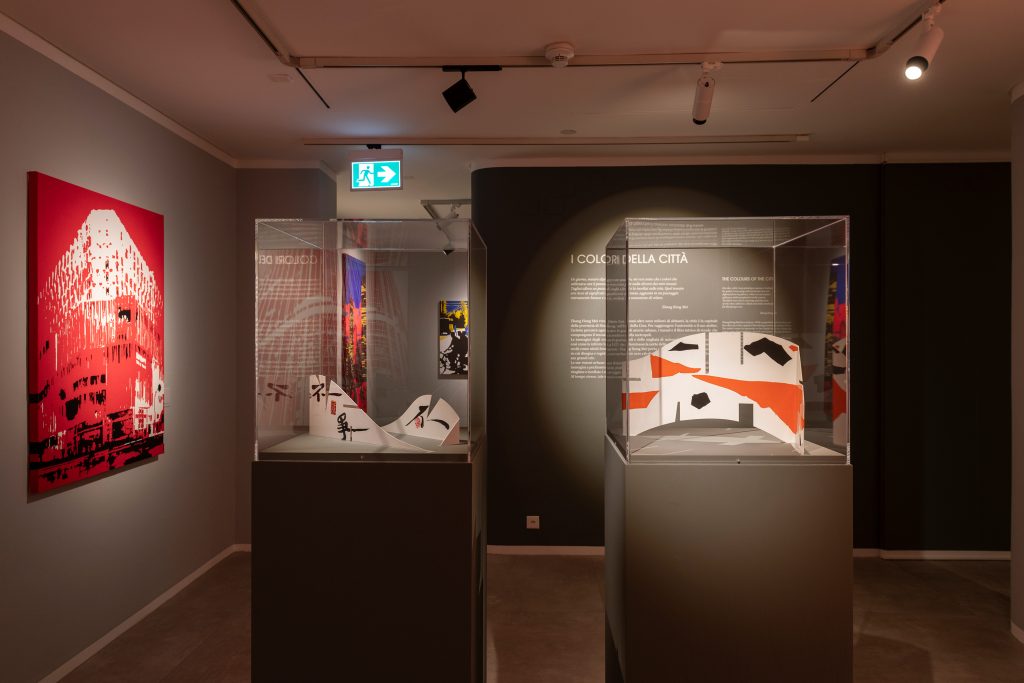
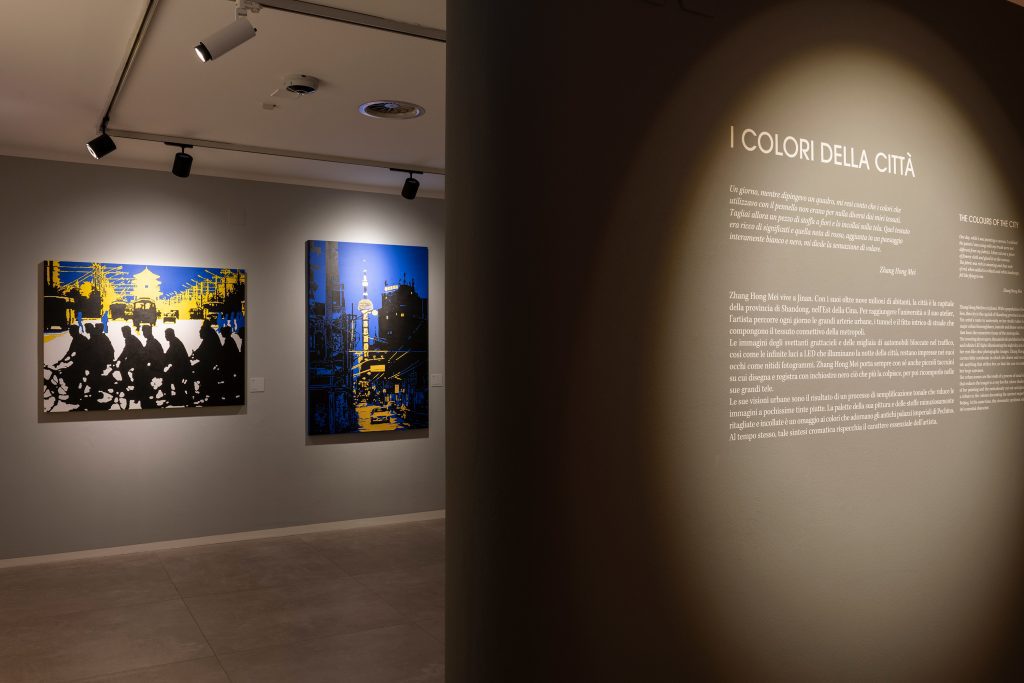
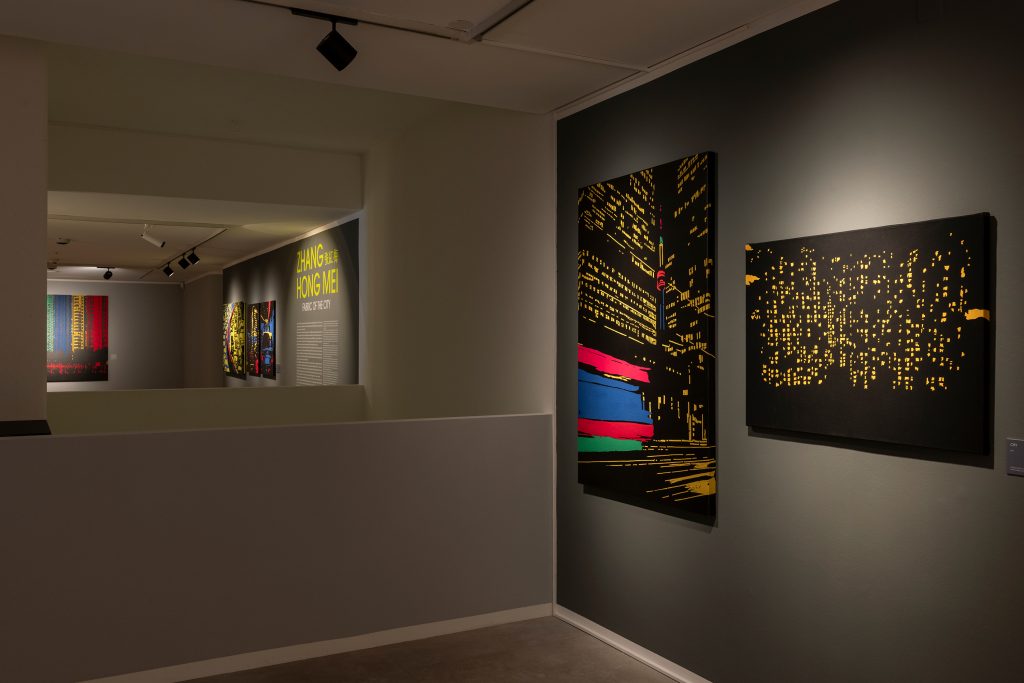
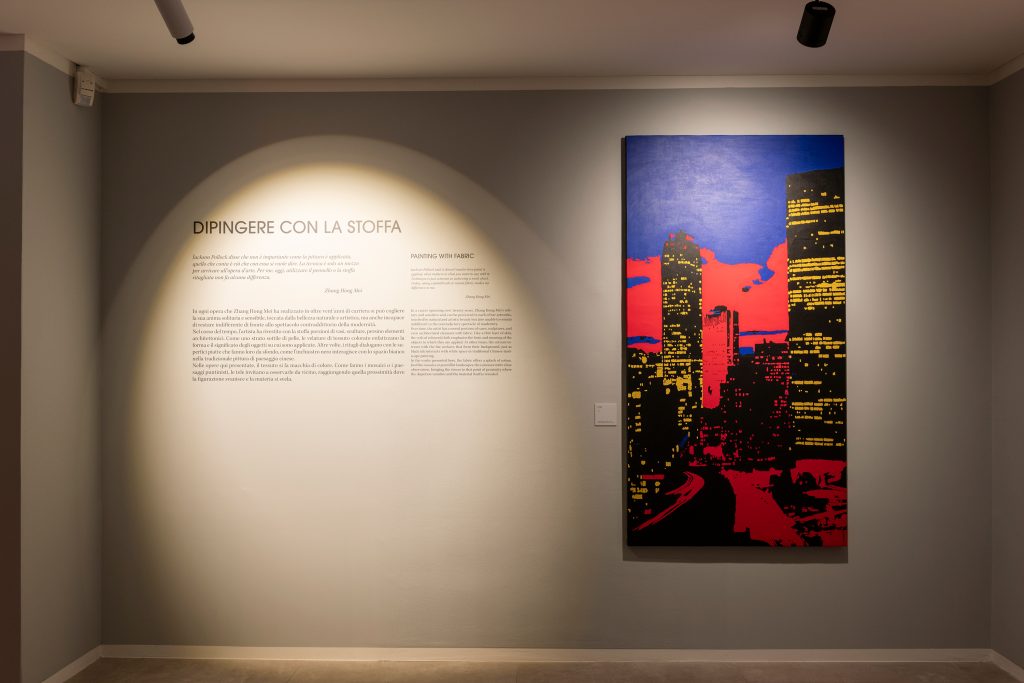
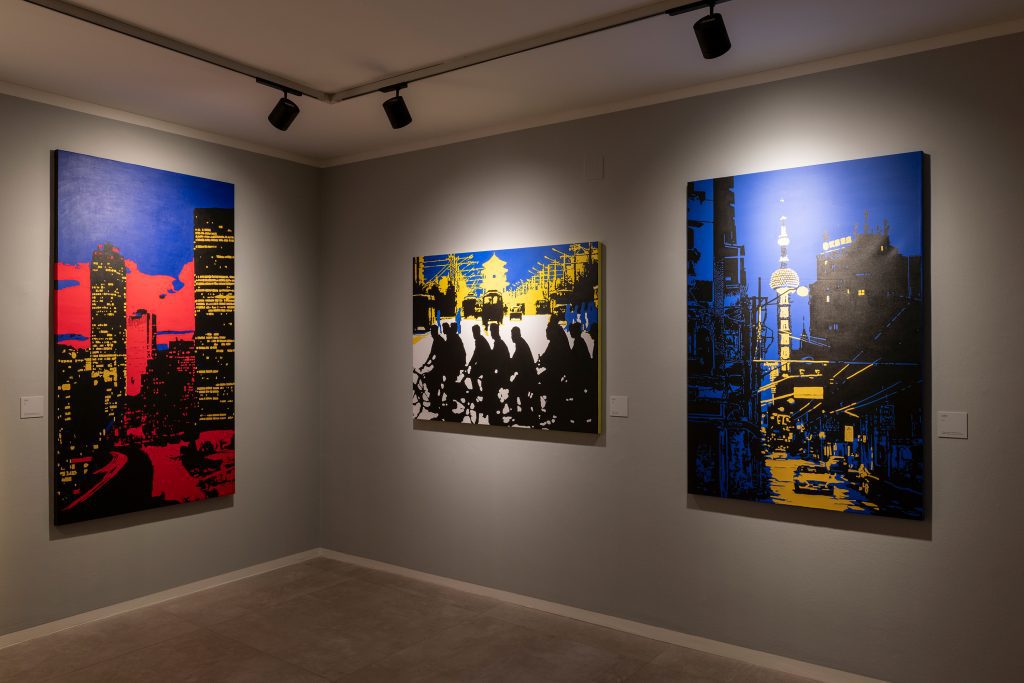
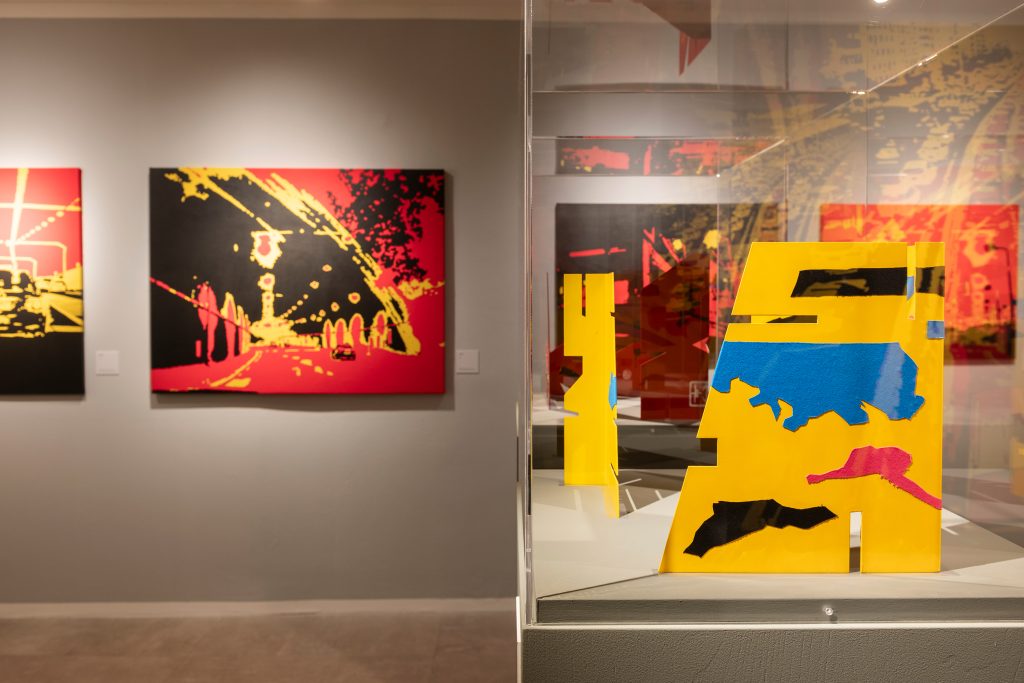
Fabric of the City is an exhibition dedicated to Chinese artist Zhang Hong Mei, presented in the Spazio Cielo at Villa Malpensata. The exhibition brings together more than thirty works, including paintings, sculptures and textile-based pieces from her most recent artistic production, many of which are being shown to the public for the first time. Over the course of her twenty-year career, Zhang Hong Mei has experimented with a wide range of artistic languages, from painting and sculpture to performance, video art and environmental installations. Her work is characterized by the ability to reinterpret traditional artistic techniques in a contemporary way, creating a personal visual language that combines cultural memory, material experimentation and artistic research. Her distinctive style emerges from the intersection of two key elements: her academic background in textile design, developed between China and Italy, and her deep connection with the tradition of paper cutting, an ancient decorative practice rooted in Chinese folk culture and in the artist’s own childhood experiences. The title of the exhibition refers both to fabric, the material at the core of Zhang Hong Mei’s artistic practice, and to the concept of the urban and social fabric that shapes contemporary cities. In the City series, which forms the central focus of the exhibition, small fragments of colored fabric are carefully cut and assembled according to intricate compositional structures. The resulting surfaces evoke layered urban landscapes in which colors and shapes overlap to form dynamic and vibrant compositions reminiscent of mosaics or pointillist paintings. The works encourage viewers to experience them from different distances: from afar they suggest complex cityscapes, while up close the materiality, the meticulous craftsmanship and the layered construction process become visible. The exhibition is further enriched by a series of sculptures made from cut and folded steel, where the same sensibility of paper and textile cutting is translated into metal, creating abstract architectural forms. The exhibition experience is accompanied by a carefully designed sound environment that guides visitors through the space, establishing a dialogue between images and sound and offering an immersive sensory experience within the urban atmosphere evoked by the artist’s work.

- Date: 19 Mar 2026 - 05 Jul 2026
- Location:MUSEC I Museo delle Culture, Lugano
- Curators:Massimiliano Vitali
Image Gallery
Related Exhibitions
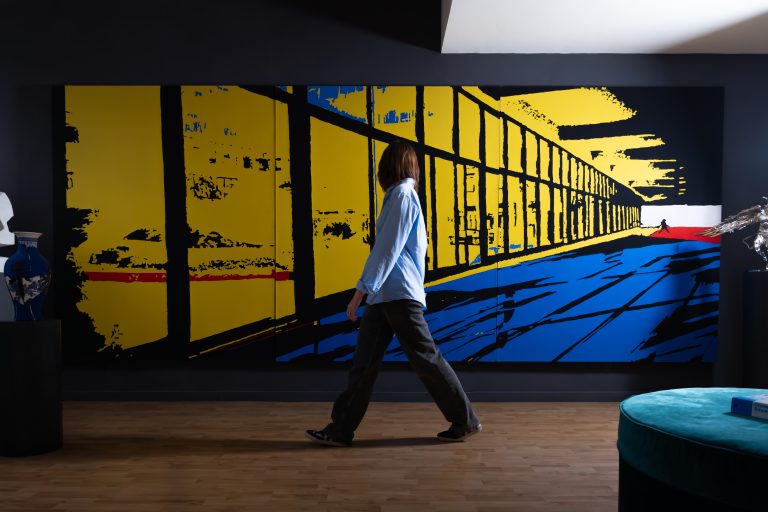
Confini Sospesi
27 November 2025 - 0:00 28 February 2026 - 0:00
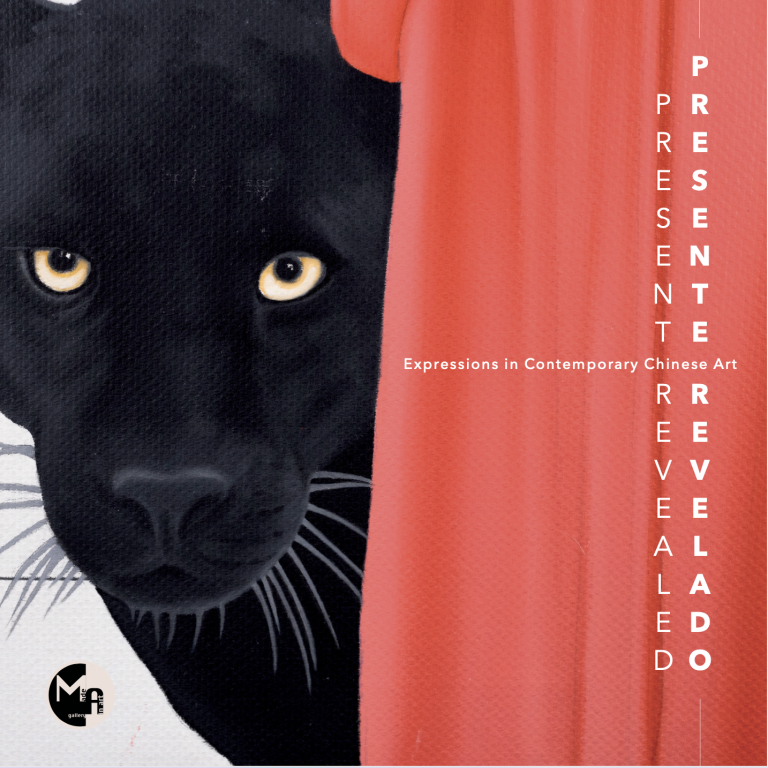
Group exhibition PRESENTE REVELADO – PRESENT REVEALED Expressions in Contemporary China Art
3 September 2025 - 0:00 5 October 2025 - 0:00
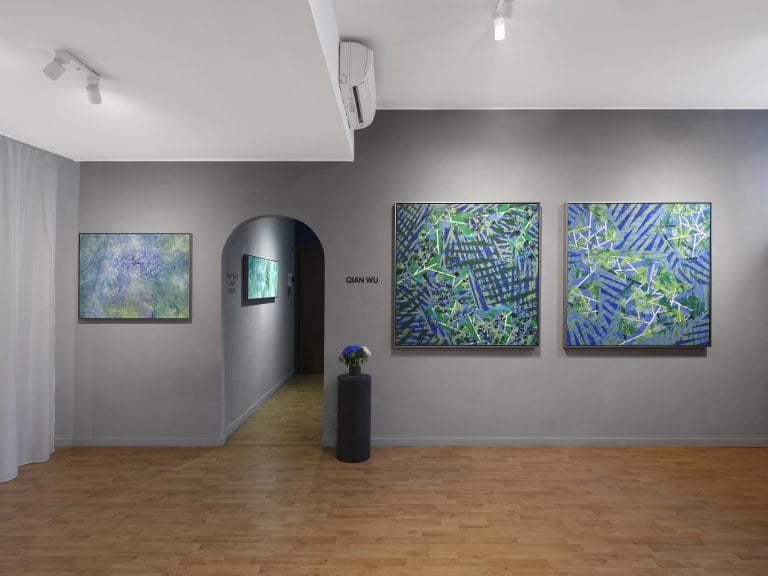
Only Blue and Green
14 May 2025 - 0:00 25 July 2025 - 0:00