
“Visionary Legacies: From Xiao Lu's Performance to New Contemporary Chinese Art”
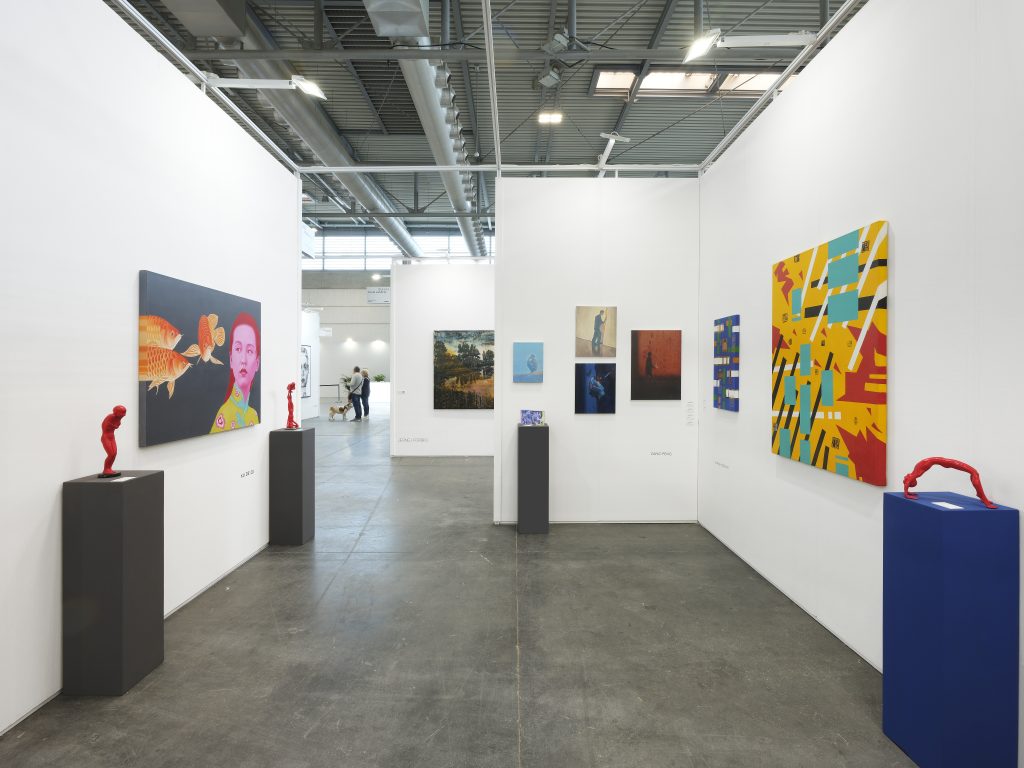
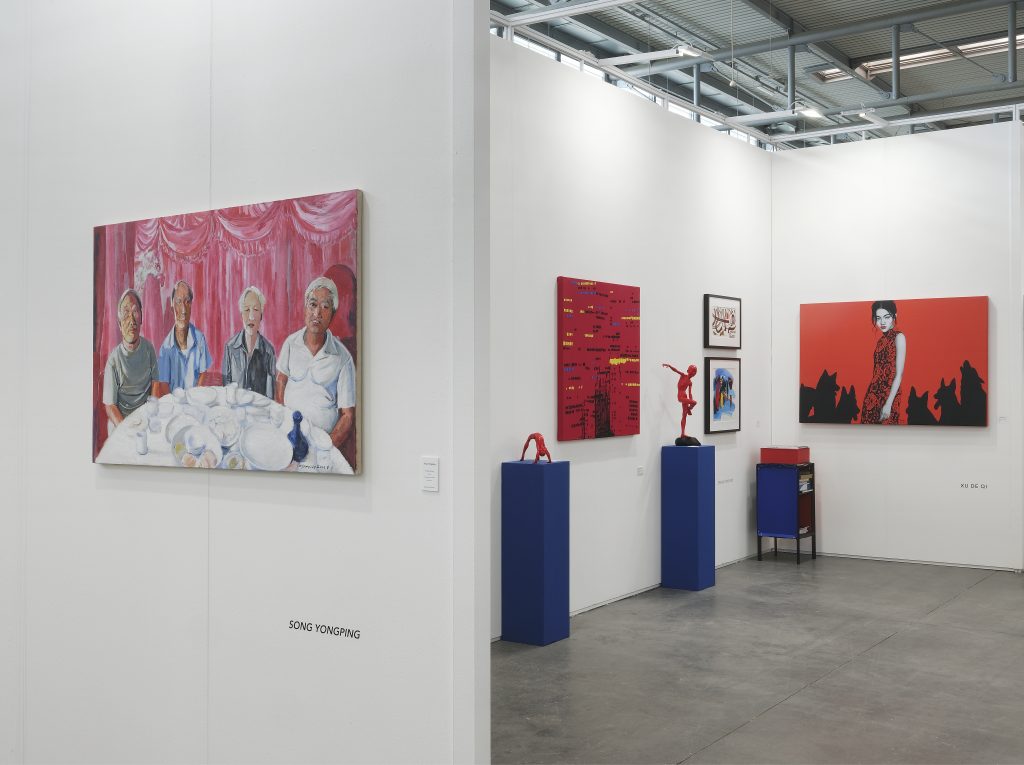
From Xiao Lu's symbolic irruption in 1989, with his performance "Dialogue," which fired two gunshots at his installation at the China/Avant-Garde Exhibition at the National Museum of Beijing, to Song Yongping's familiar and ironically restless narratives, with works such as "My Parents" and "Happy Family," contemporary Chinese art has undergone a significant transformation in recent years.
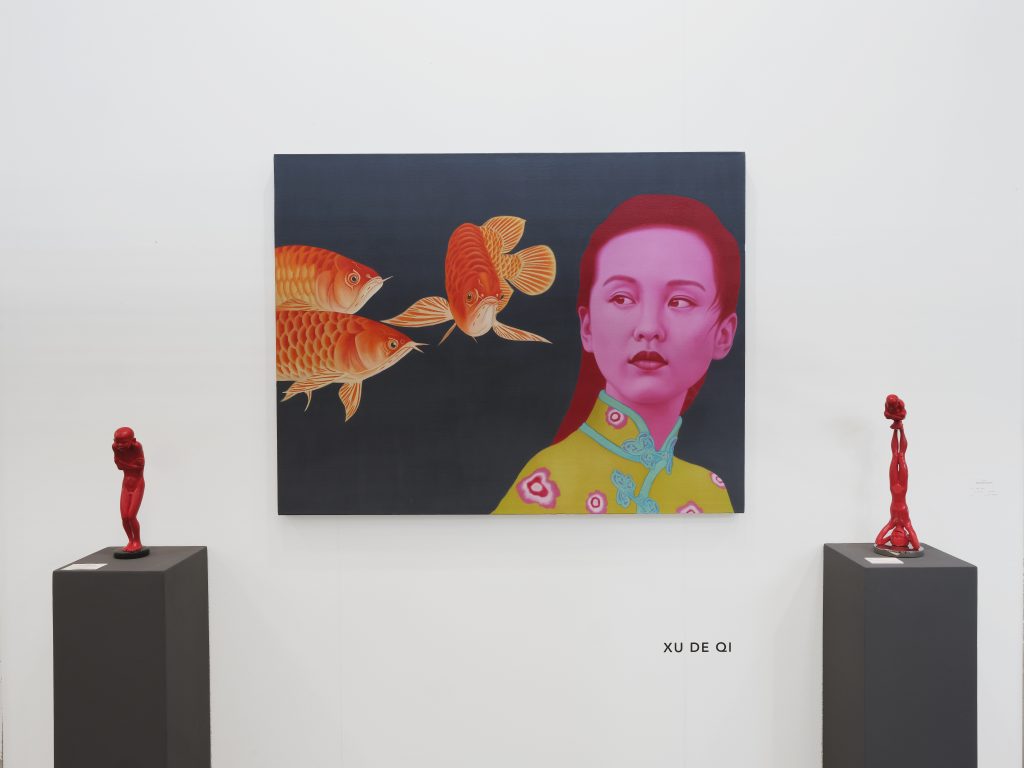
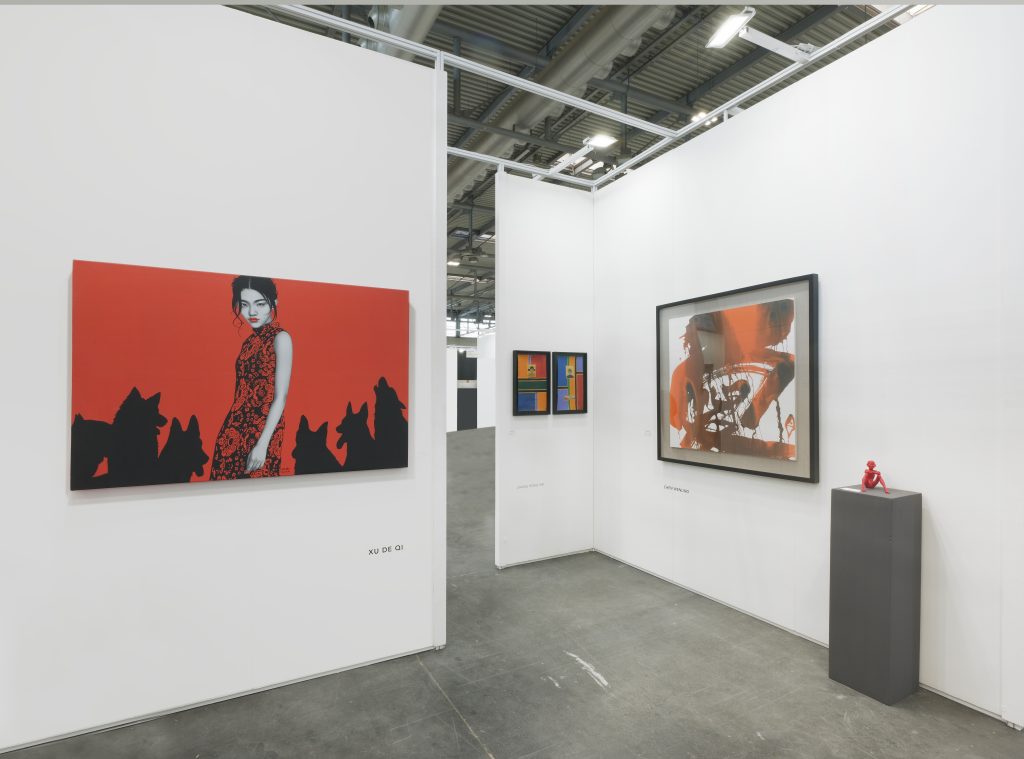
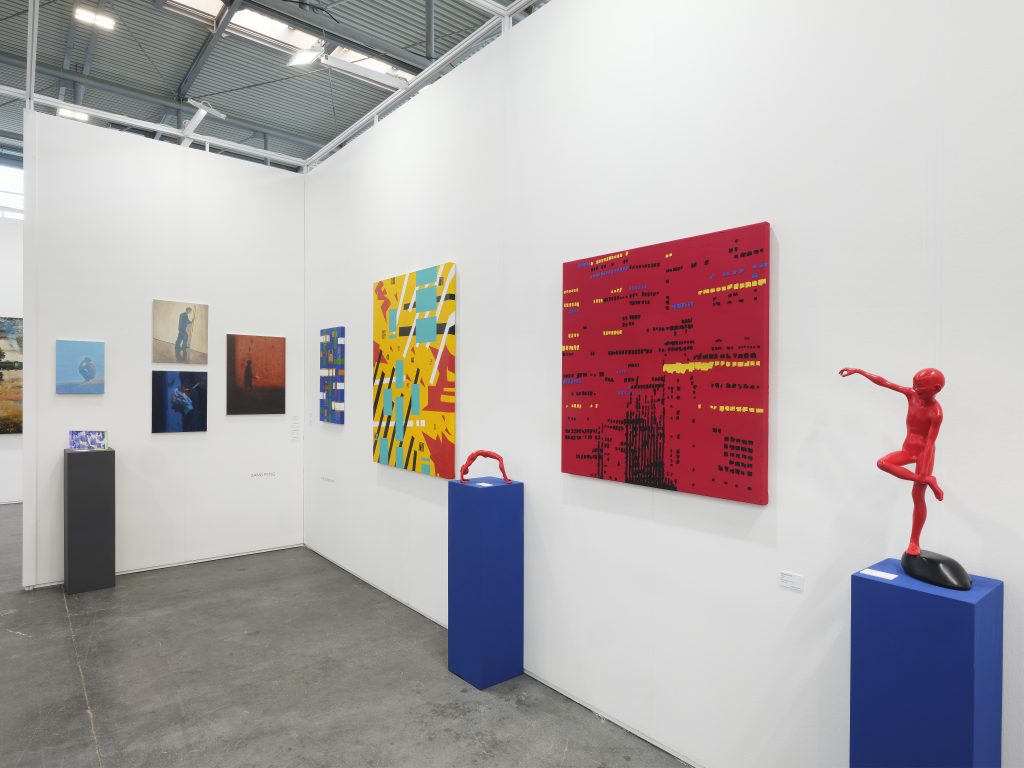
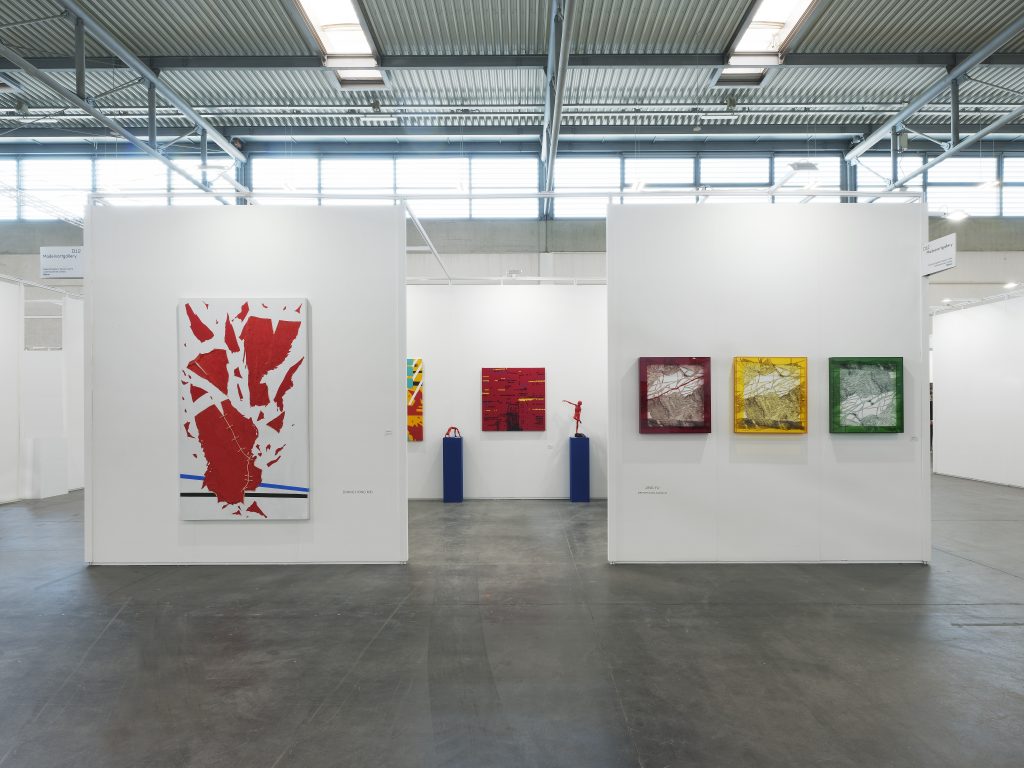
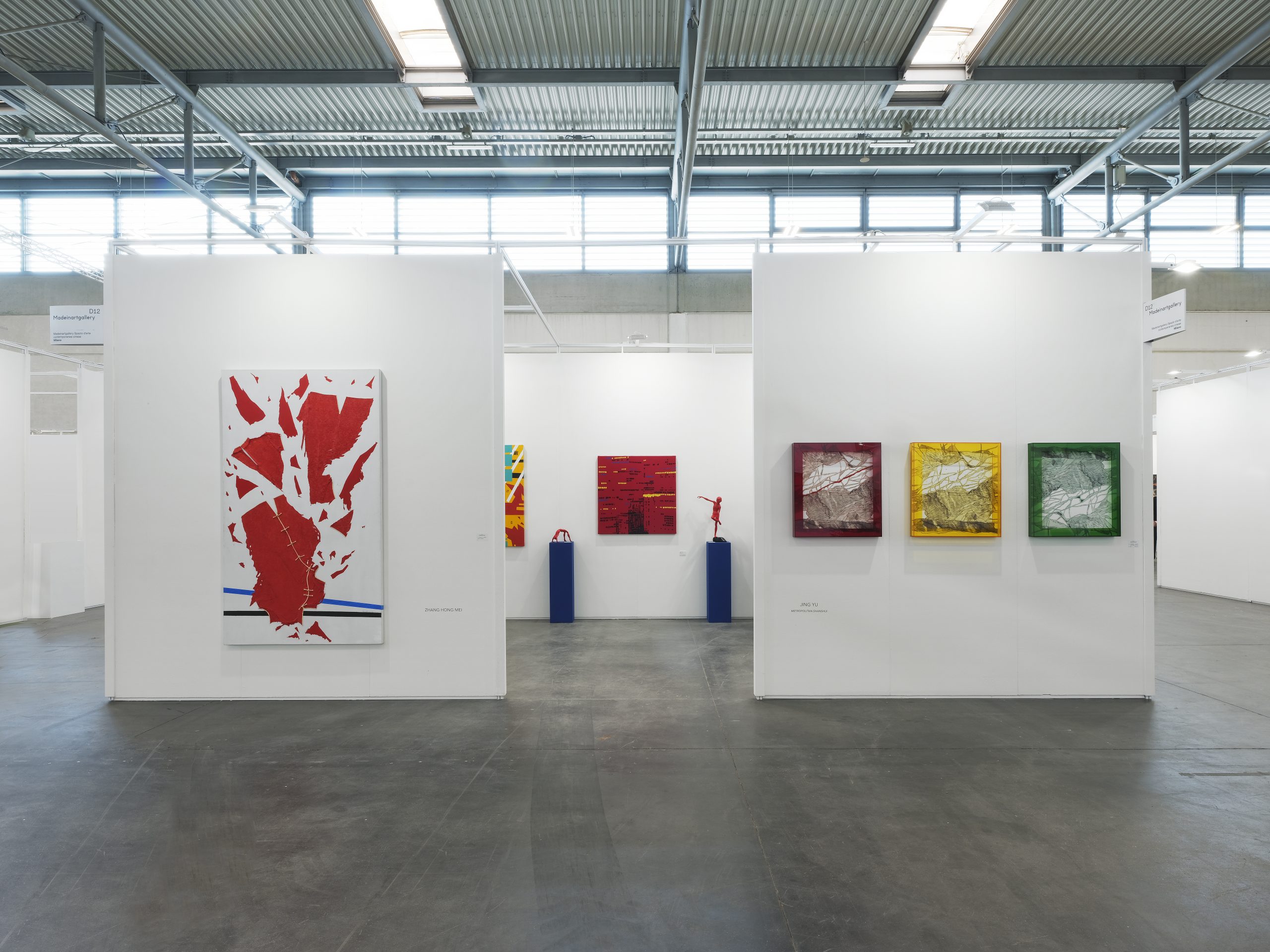
Today, new generations of artists are inheriting that disruptive force and redefining their own language through new forms and iconographies. Zhang Hong Mei, with her urban landscapes, yet always influenced by traditional Chinese culture of the past (China Chaos, City Landscapes), is a prime example. Chen Wenling, on the other hand, reworks collective memory through sculptures (Red Memories), transforming ideological symbols into ironic and distorted forms.
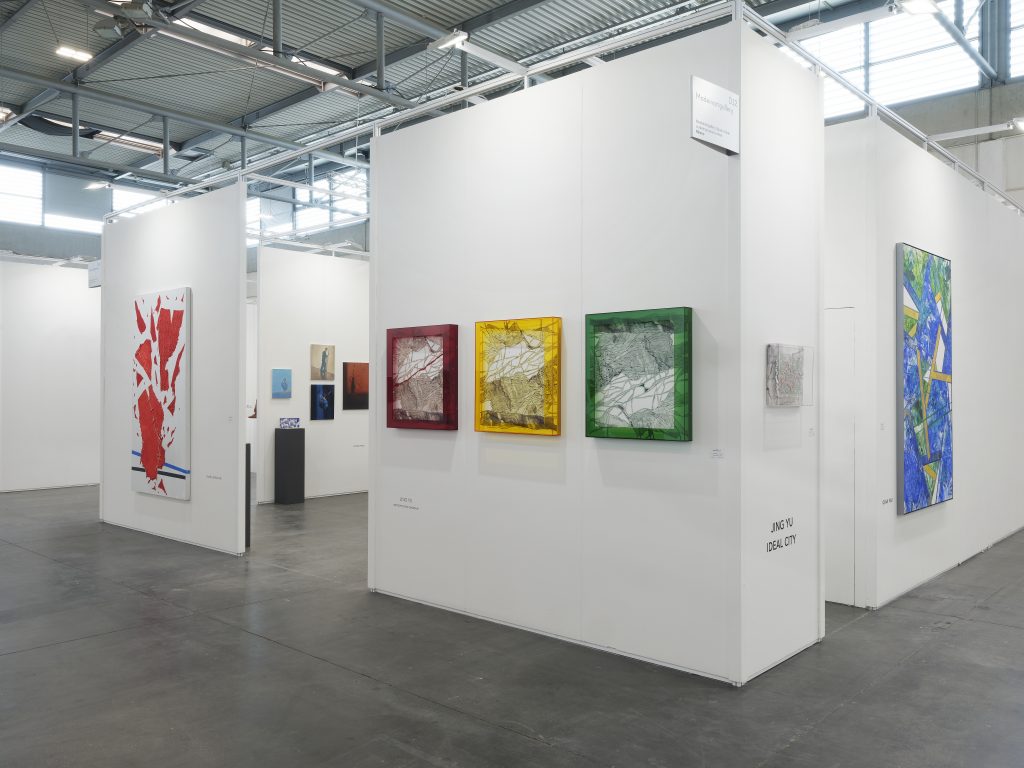
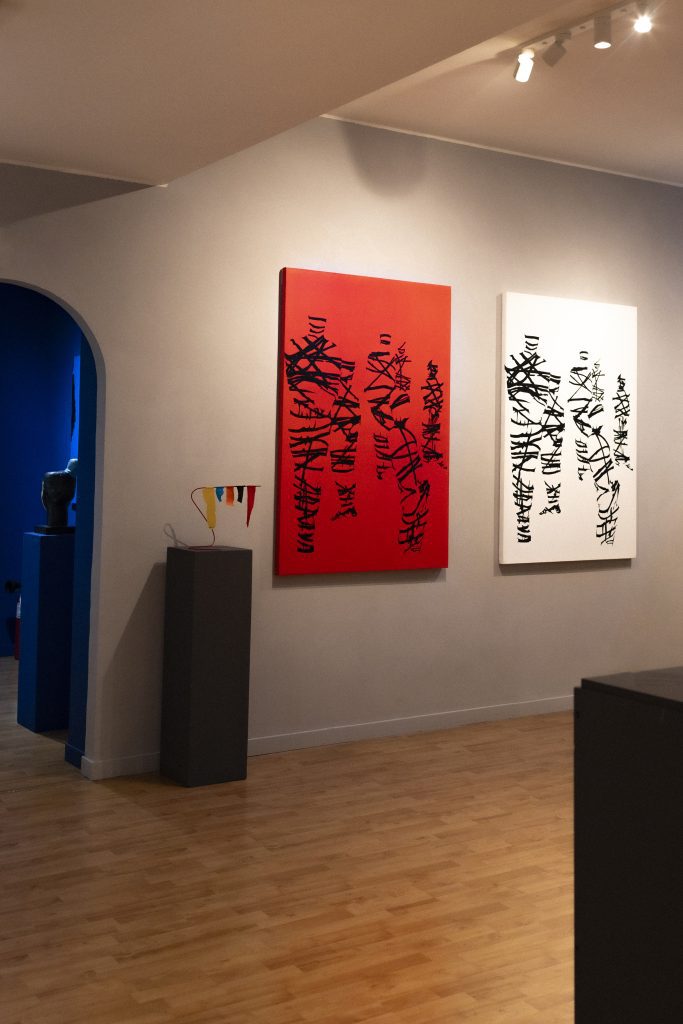
Alongside them, artists such as Zang Peng, Qian Wu, and Jing Yu propose new approaches to visual research: through conceptual installations, material painting, and reflections on the urban and social landscape, the new generation portrays a complex and multifaceted China, suspended between the weight of a recent past and the aesthetics of a globalized contemporary.